Filter by Category
Search News
All News
Submit Article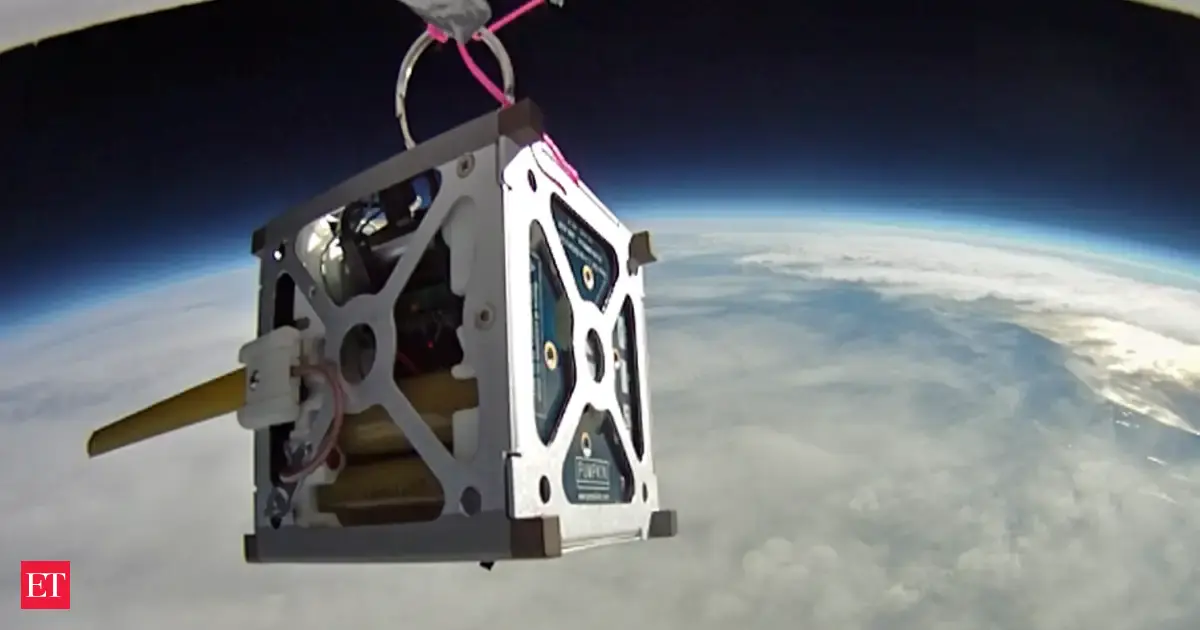
In 2010, NASA launched a 12-pound, loaf-of-bread-sized satellite with two Bacillus populations; radiation exposure reached about 15 times that of the ISS orbit
NASA's O/OREOS mission embarked on an exciting journey to observe how bacteria withstand the rigors of space radiation. The compact satellite, ab...
Source: The Times of India

SpaceX vs. Anthropic: Which Is the Better IPO to Own?
The market is set to see two of the largest IPOs ever in 2026. Space Exploration Technologies (NASDAQ: SPCX) debuted in early June with a nearly $1.8 ...
Source: Biztoc.com
APOD: 2026 September 3 – The Eclipse and the Stork
APOD Science APOD APOD: 2026 September 3 – The… Today’s APOD Archive Submissions Index Search Calendar RSS Education About Discuss APOD Astronomy Pi...
Source: NASA

Elon Musk Says America’s Wealth Gap With Europe Is About to Get ‘Much Bigger’ — AI and Robots Are Why
Space Exploration Technologies Corp. and Tesla Inc. CEO Elon Musk thinks that the U.S.’s advances in artificial intelligence and robotics would help t...
Source: Yahoo Entertainment
Starship Flight 14: Is This The Most Important Launch Yet? Will It Go To Orbit? [21:55]
On Friday evening, Booster 21 fired all 33 engines. SpaceX says: full duration. But the burn was 10 seconds shorter than on the last two flights, and ...
Source: Freerepublic.com
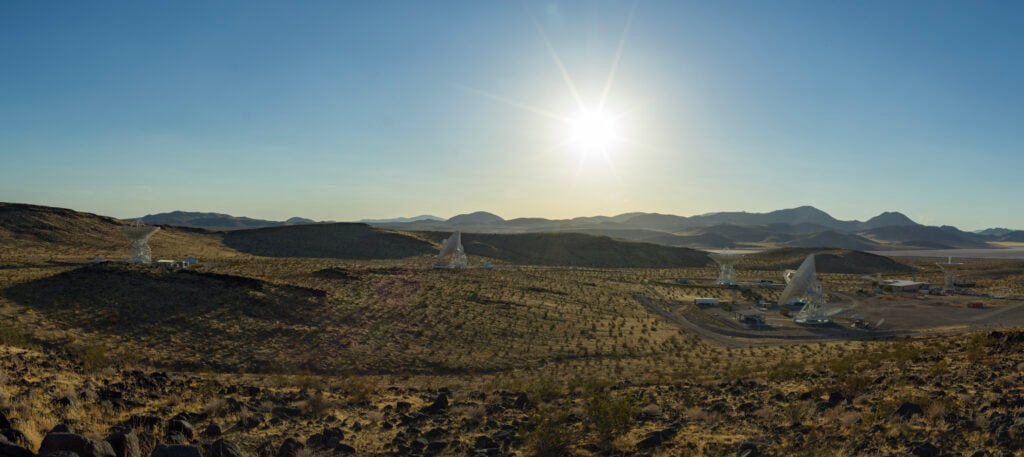
Radio signals take between three and 22 minutes to cross the distance between Earth and Mars. Even if a reply were transmitted instantly, a single question-and-answer exchange could take 44 minutes—and near solar conjunction, the Sun can interrupt the con
Earth-Mars radio latency ranges from about three to 22.4 minutes one way, while solar conjunction can force planned pauses in commanding and makes loc...
Source: Space Daily
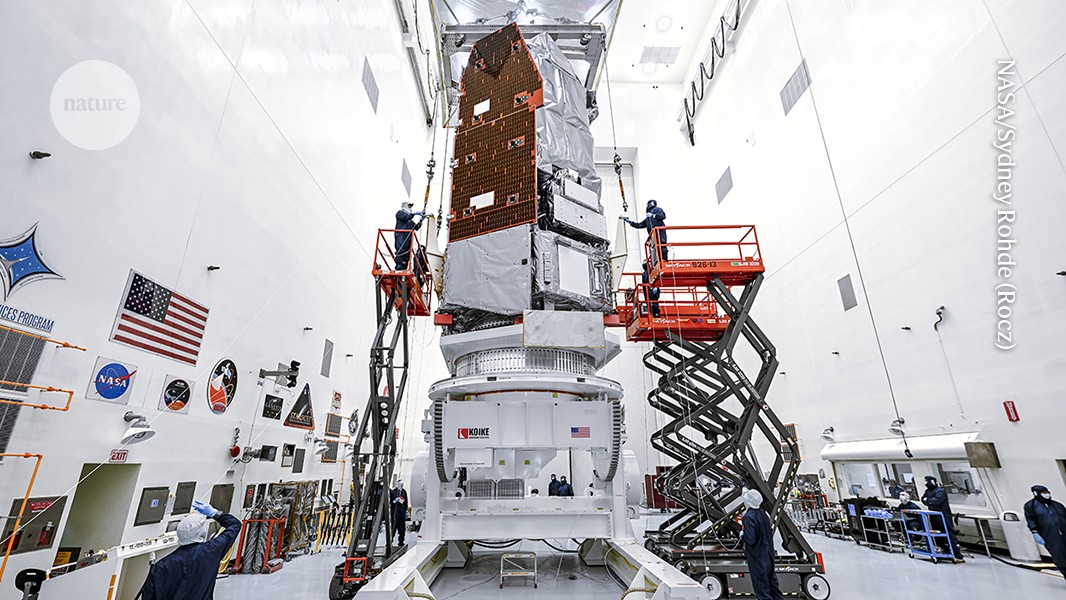
NASA’s Roman telescope holds promise far beyond mapping the invisible Universe
Discovery flourishes when instruments, ideas and people come together in unpredictable ways.
Source: Nature.com
Physicists Determine Cause of "Runaway" Supermassive Black Hole
Researchers at UCSB and UT Austin have determined that a galactic merger kicked a supermassive black hole into intergalactic space.
Source: Universe Today
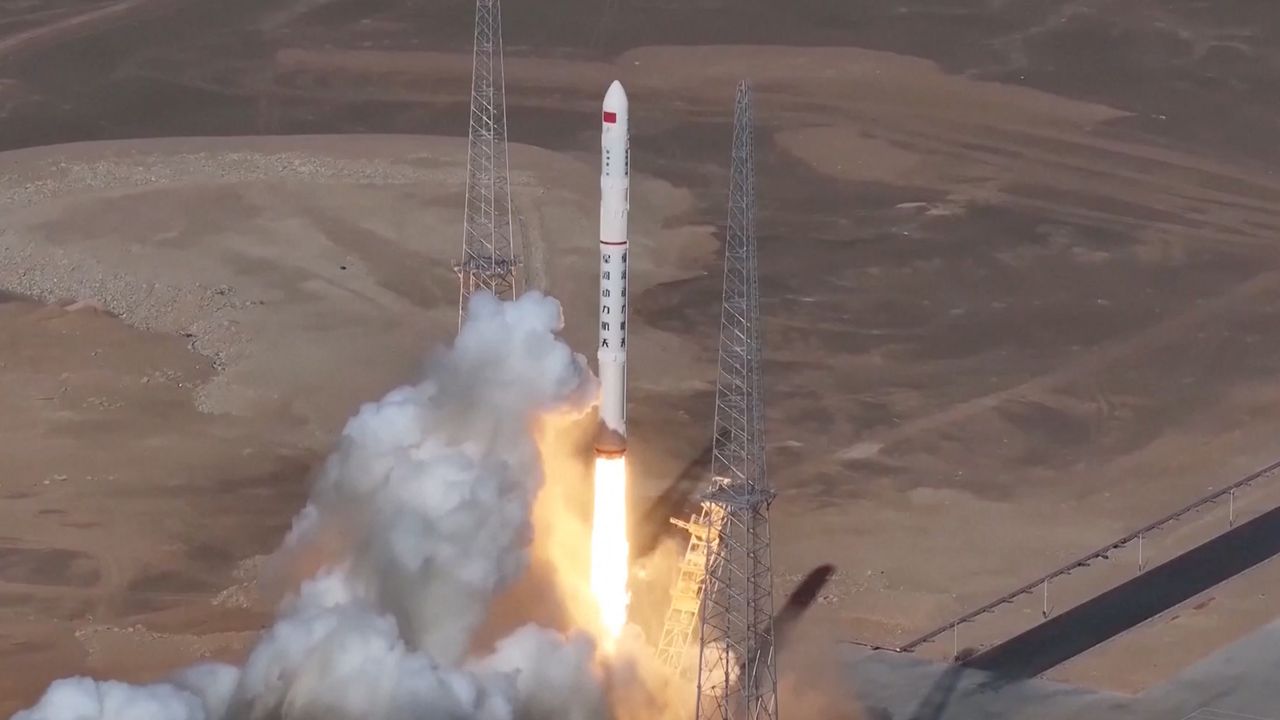
China's private, reusable Pallas-1 rocket aces debut launch (video)
Galactic Energy's new Pallas-1 rocket aced its debut launch on Monday (Aug. 31), successfully reaching orbit. The vehicle's first stage did ...
Source: Space.com
Rocket Lab’s Hungry Hippo completes testing
With Rocket Lab targeting to launch its Neutron vehicle by the end of this year,… The post Rocket Lab’s Hungry Hippo completes tes...
Source: NASASpaceFlight
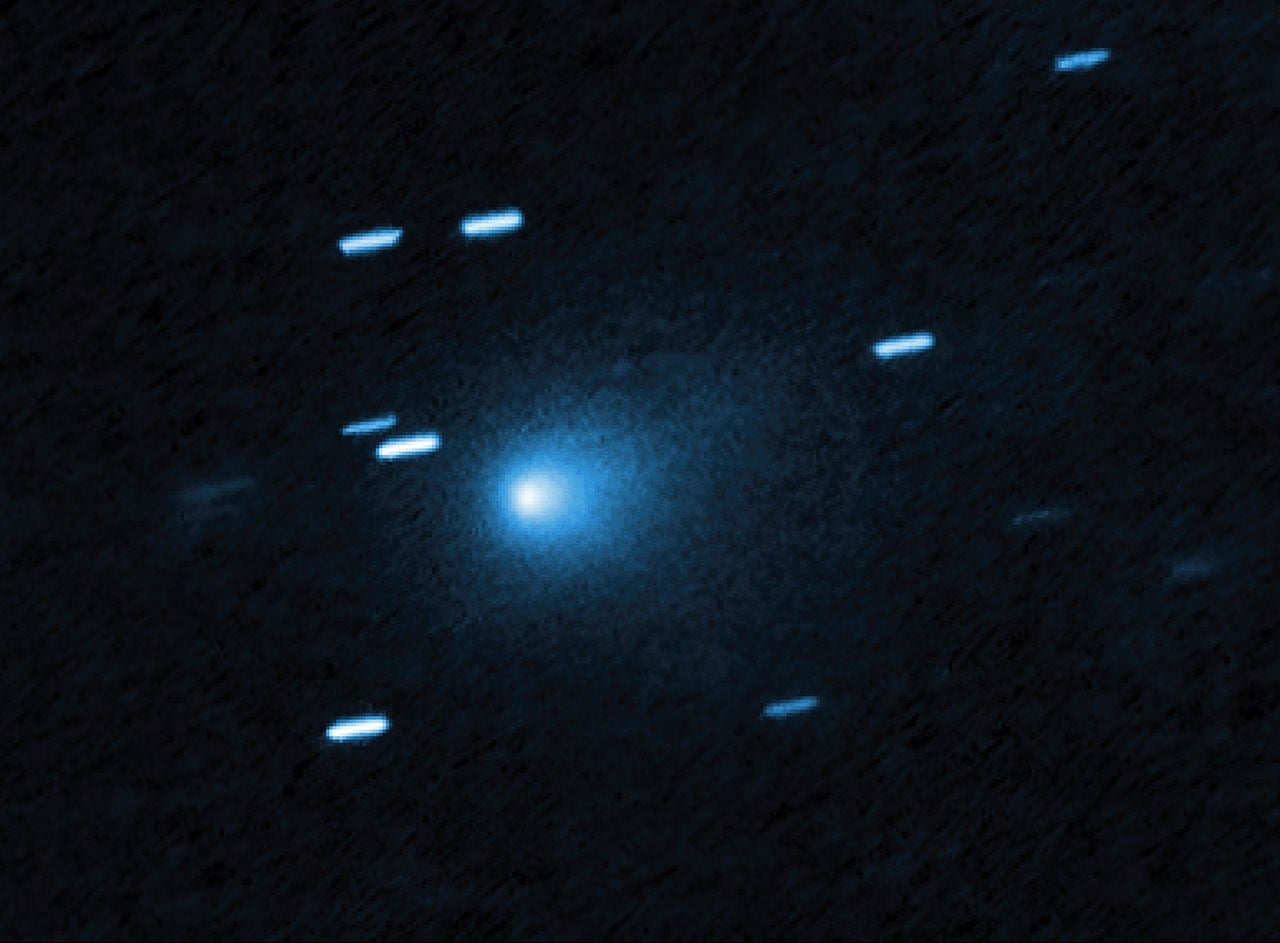
Interstellar comet 3I/ATLAS arrived from the direction of Sagittarius with the highest incoming speed of any known interstellar visitor, accelerated to nearly 250,000 kilometres per hour near the Sun, and is now escaping on a hyperbolic trajectory that wi
The Sun temporarily raised 3I/ATLAS to about 246,000 kilometres per hour, but its record incoming excess speed and positive orbital energy guarantee a...
Source: Space Daily
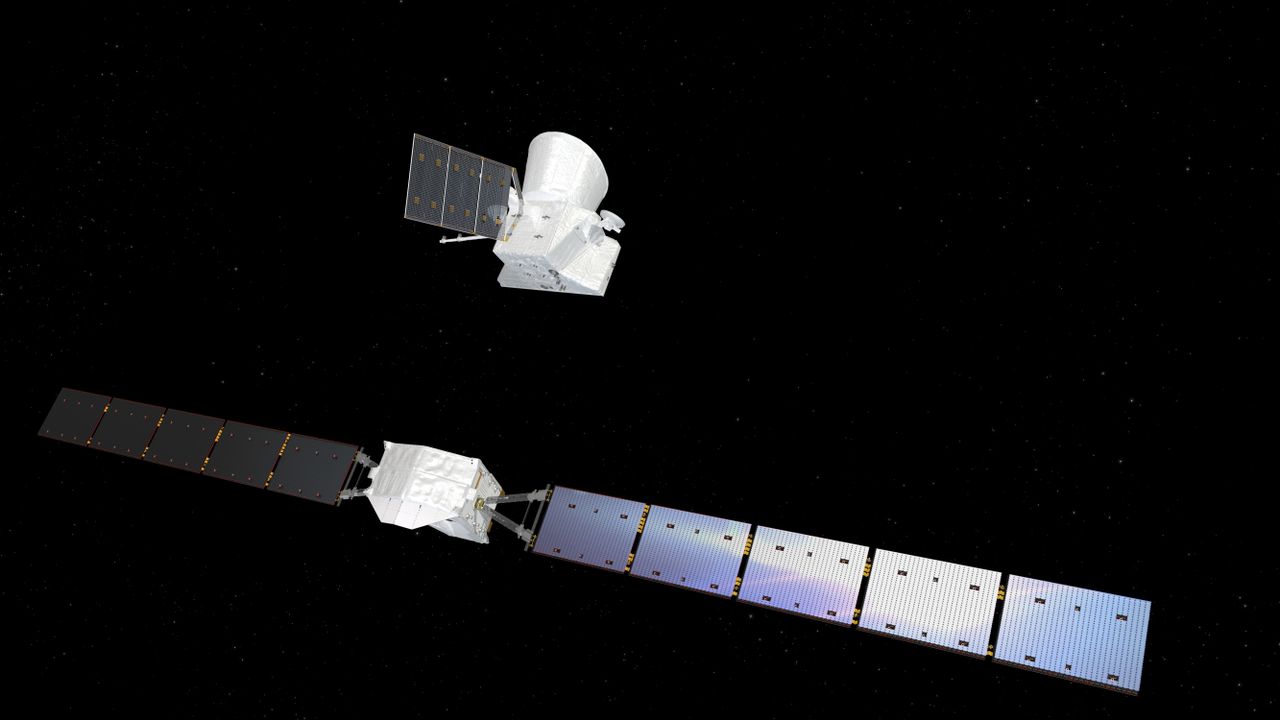
2 spacecraft headed to Mercury are about to begin their long-awaited arrival for Europe and Japan — watch it live on Sept. 3
The European-Japanese BepiColombo mission will begin its drawn-out Mercury arrival phase on Sept. 3, and you can watch the action live.
Source: Space.com
APOD: 2026 September 2 – Solar Eclipses and Culture
APOD Science APOD APOD: 2026 September 2 –… Today’s APOD Archive Submissions Index Search Calendar RSS Education About Discuss APOD Astronomy Pictur...
Source: NASA
NASA’s Hubble Tracks New Decagon Encircling Saturn’s South Pole
NASA’s Hubble Space Telescope observes a giant, evolving, 10-sided atmospheric wave encircling Saturn’s south pole.
Source: NASA
NASA Revamps Challenge Linking Community College Studies to Aerospace Careers
Community college students across the U.S. now have another opportunity to discover how their education can lead to fulfilling roles at the forefront ...
Source: NASA
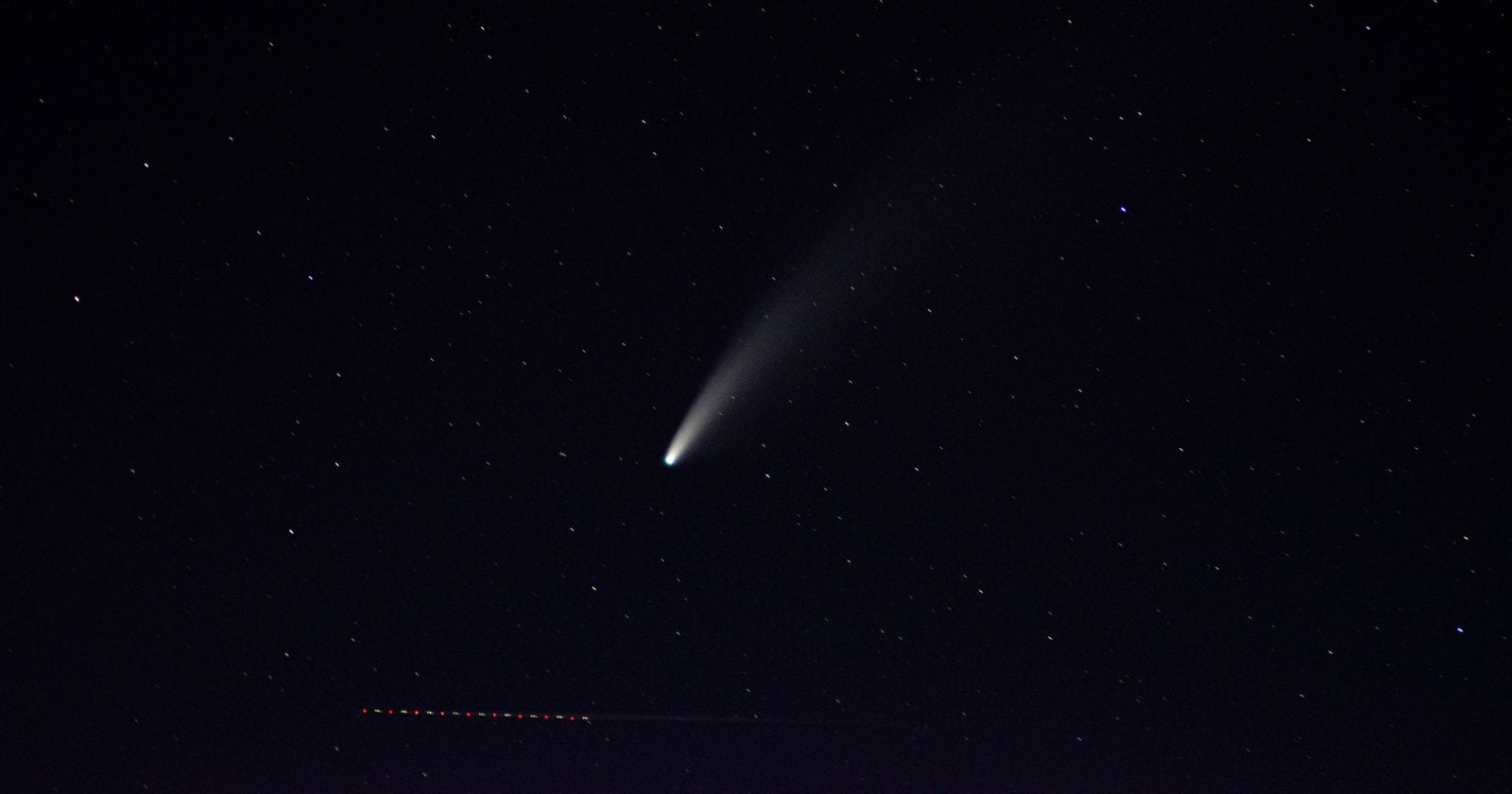
A satellite sent up in 1995 to watch the sun has found more comets than anything else in history, and most of the 5,000 in its tally were spotted by volunteer citizen scientists, many with no formal scientific training, clicking through the free pictures
A sun-watching satellite designed nearly 30 years ago has become history's greatest comet hunter, with amateur astronomers crowdsourcing its disc...
Source: Space Daily
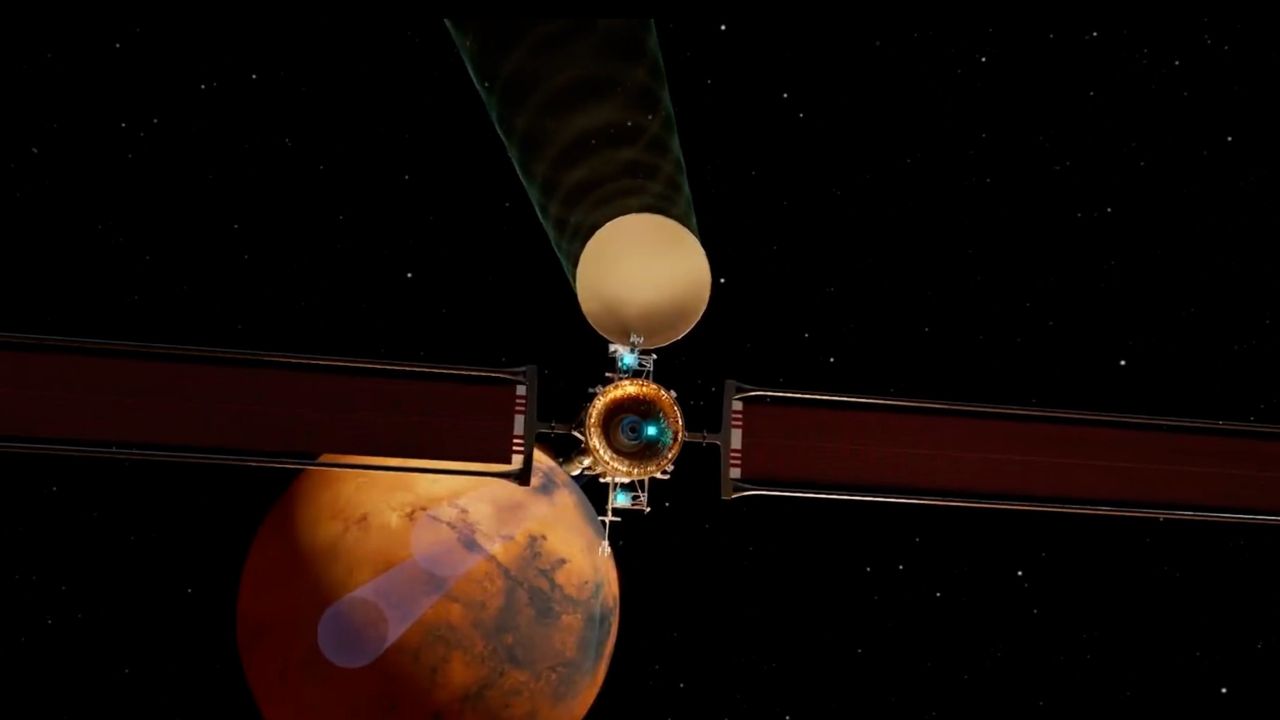
Blue Origin wins $700 million contract to build NASA's next Mars orbiter
NASA has picked Blue Origin to build its next Mars telecommunications orbiter, awarding a $700 million contract to Jeff Bezos' spaceflight compan...
Source: Space.com
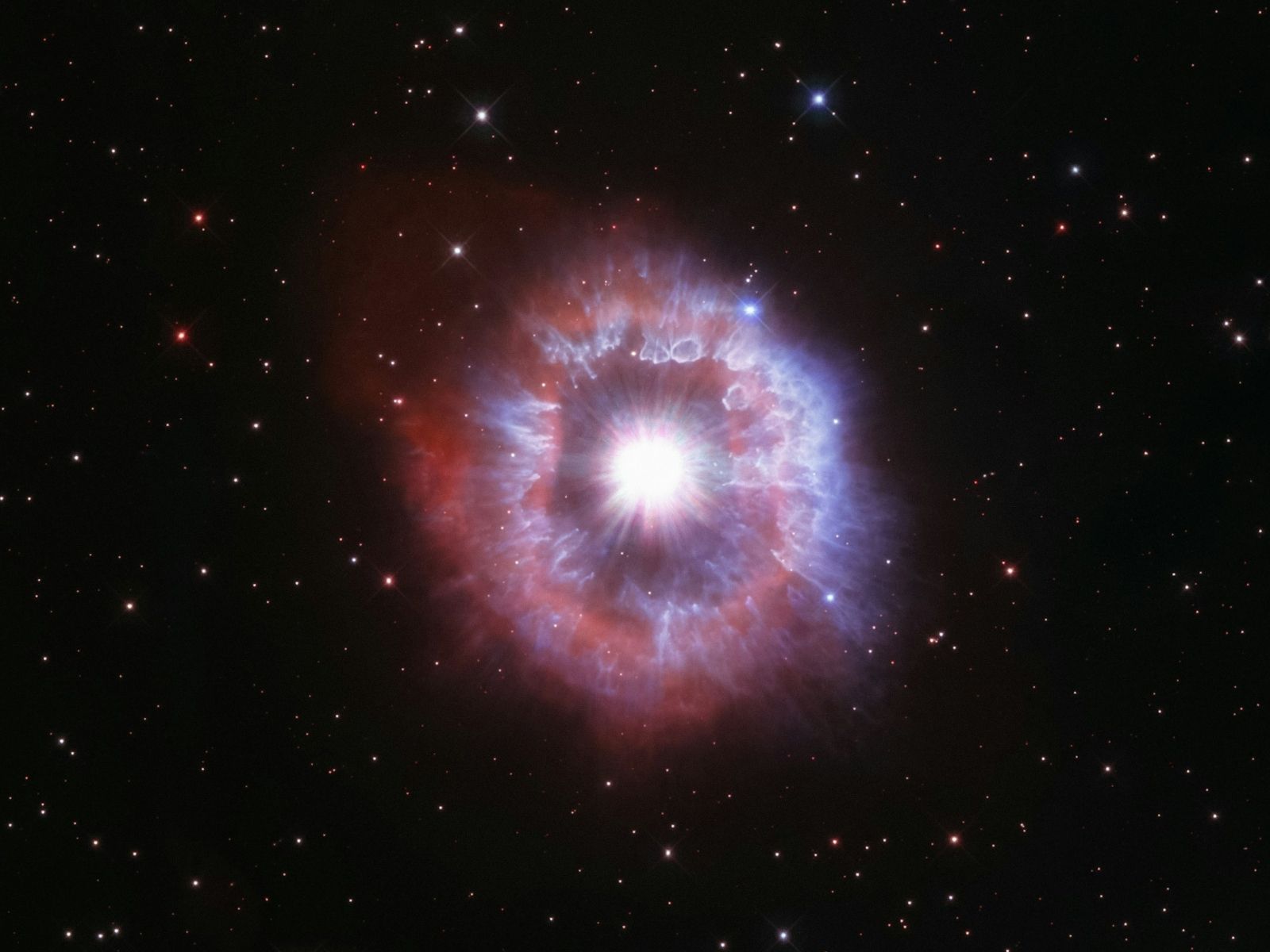
JWST may have detected a supernova that exploded about 11.7 billion years ago
The James Webb Space Telescope enables astronomers to make numerous discoveries thanks to its various instruments, such as the Near Infrared Camera (N...
Source: Notebookcheck.net
stream-dse 1.14.1
Stream - Multi-core accelerator design space exploration with layer-fused scheduling
Source: Pypi.org

Physical Superintelligence raises $58M to build AI-powered physics research lab
PSI's funding boost could accelerate AI-driven physics breakthroughs, potentially transforming energy efficiency and space exploration initiative...
Source: Crypto Briefing