Return to the Moon. On to Mars.
For the first time since Apollo 17 in 1972, NASA is sending humans back to the lunar surface — including the first woman and first person of color to walk on the Moon. Artemis is humanity's next giant leap.
Complete 2022
Complete Apr 2026
Moon landing
Accords nations
Mission Status
Artemis I
Nov 16 – Dec 11, 2022
Uncrewed test flight of SLS and Orion. Travelled 270,000 miles beyond Earth — farther than any spacecraft built for humans. Orion splashed down after 25.5 days.
- Uncrewed
- 25.5-day mission
- 1.4M miles total
Artemis II
Apr 1 – Apr 10, 2026
First crewed Artemis flight. Four astronauts flew a free-return trajectory around the Moon — humanity's first crewed lunar mission since Apollo 17 in 1972. Splashdown April 10, 2026.
- 4 crew
- 10-day mission
- Lunar flyby
Crew
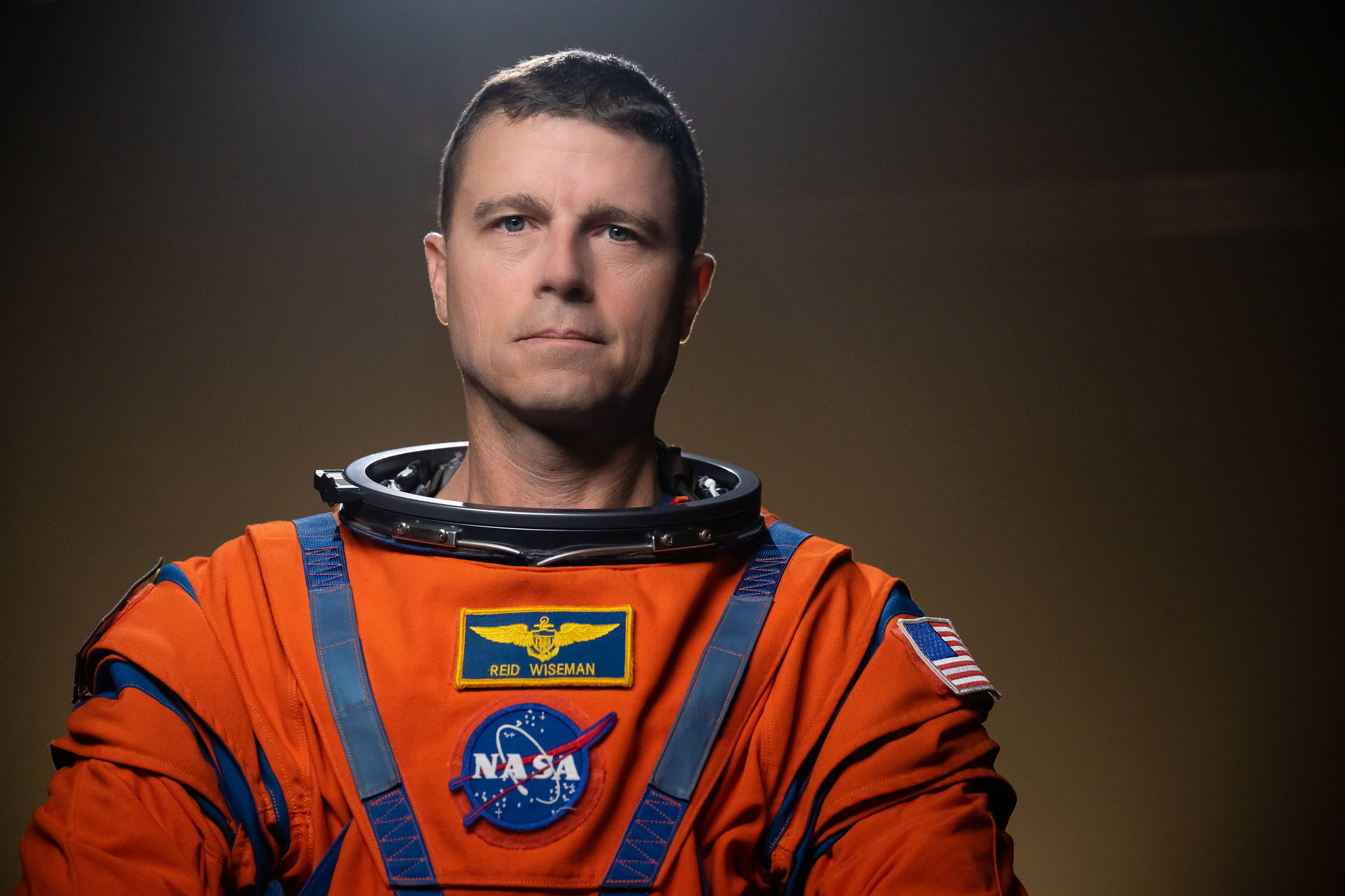
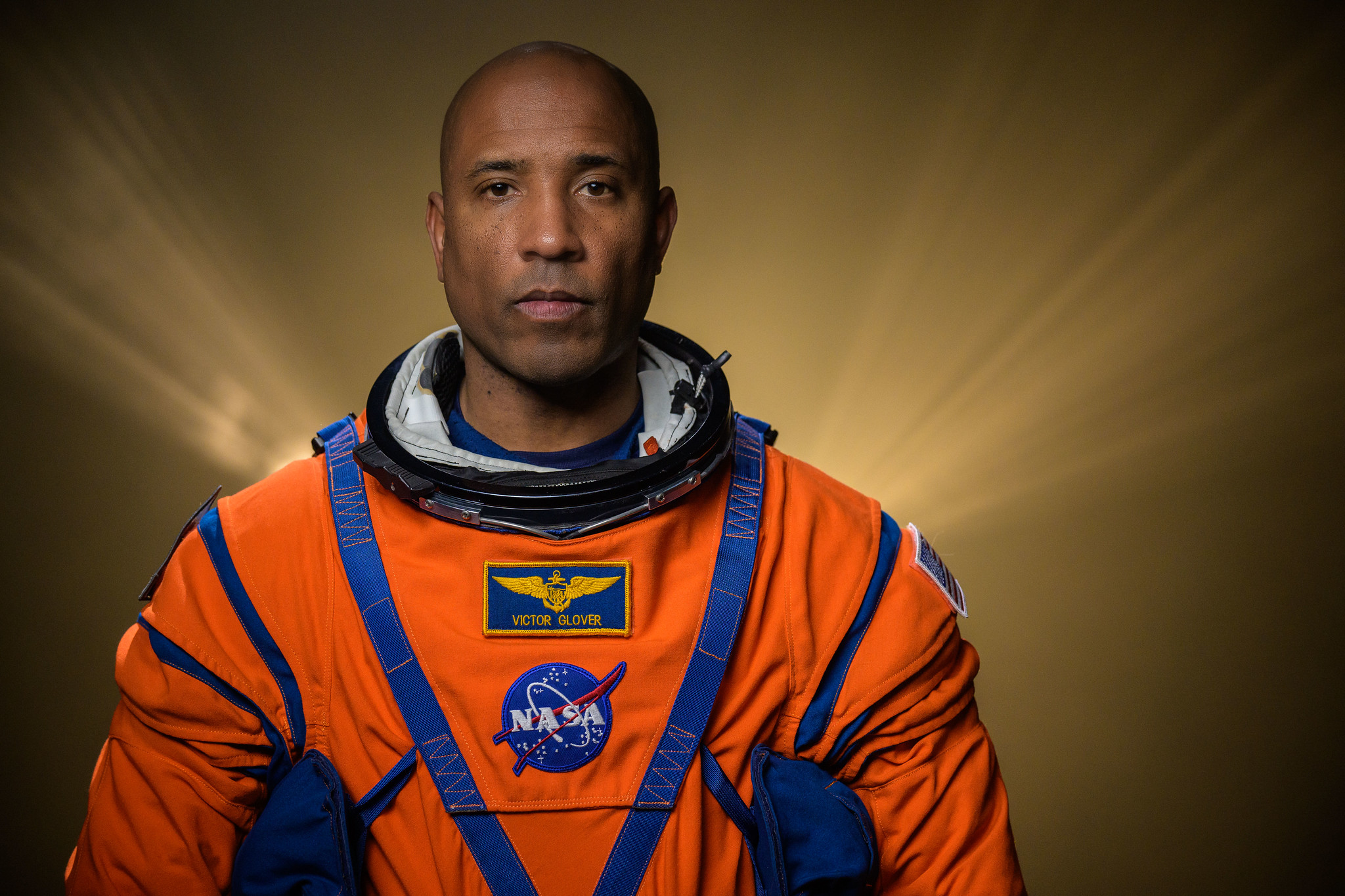
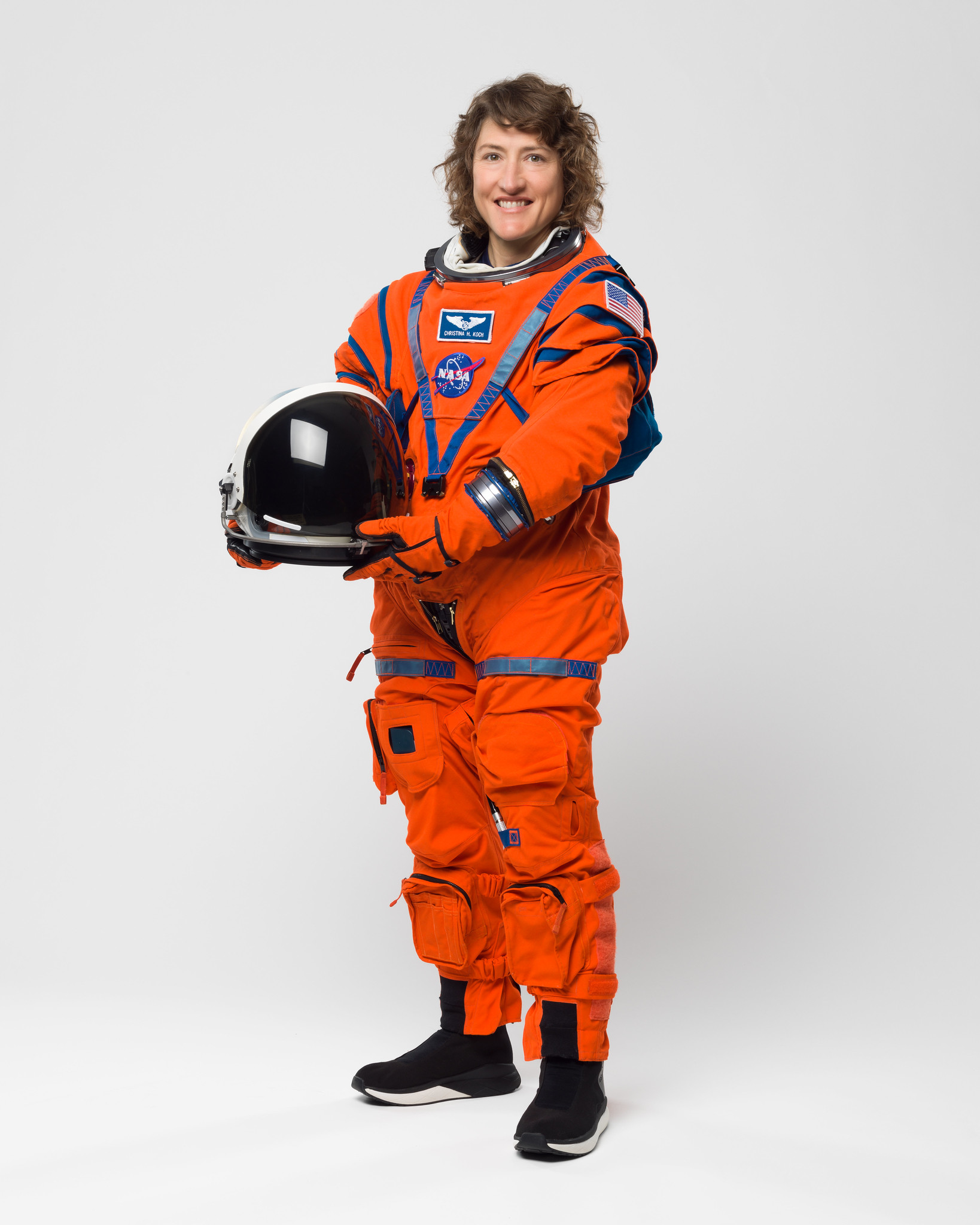
Wiseman · Glover · Koch · Hansen (CSA)
Artemis III
Targeted 2027
First crewed lunar landing since Apollo 17 (1972). Astronauts will land near the lunar South Pole using SpaceX Starship as the human landing system.
- 4 crew (2 land)
- South Pole
- Starship HLS
Historic first
First woman & first person of color on the Moon
Gateway
2027+
Lunar orbital space station serving as staging point for Moon landings and eventually Mars missions. International collaboration with ESA, JAXA, and CSA.
- International
- Lunar orbit
- PPE + HALO first
Artemis II — Mission Complete
MISSION SUMMARY
Artemis II launched April 1, 2026 — the first crewed flight of NASA's Space Launch System (SLS) and Orion spacecraft, and humanity's first crewed journey to the Moon's vicinity since Apollo 17 in 1972. The crew of four flew a free-return trajectory around the Moon, looping behind the far side on April 6 before using lunar gravity to slingshot back to Earth.
The mission successfully validated all critical life-support, environmental control, and crew systems. The crew captured breathtaking imagery of the lunar far side, including a rare in-space solar eclipse. Orion splashed down in the Pacific Ocean on April 10, 2026.

Mission Hardware
SLS Rocket
Space Launch System
- Height322 ft (98 m)
- Thrust8.8M lbs
- Payload95 tonnes (LEO)
- StatusOperational
NASA's most powerful rocket ever built. Exceeds the Saturn V in thrust. Variant Block 1B will carry the Gateway modules.
Orion
Crew Exploration Vehicle
- CrewUp to 4
- Duration21 days max
- Diameter16.5 ft (5 m)
- Service ModESA-built
Multi-purpose crew capsule designed for deep space missions. Features advanced life-support and abort systems.
Gateway
Lunar Orbital Outpost
- OrbitNear-rectilinear halo
- PartnersESA, JAXA, CSA
- First launch2027+
- CrewUp to 4
Permanent lunar-orbit station that will serve as a staging point for Moon landings and support future Mars preparation.
Starship HLS
Human Landing System
- ContractorSpaceX
- MissionArtemis III+
- Landing siteLunar South Pole
- StatusDevelopment
SpaceX Starship variant modified for Moon landings. Will transfer crew from Orion in lunar orbit down to the surface and back.
Program Timeline
Space Policy Directive 1
President directs NASA to return humans to the Moon as part of a broader space exploration strategy.
SLS Core Stage Complete
Final assembly of Space Launch System core stage finished at NASA Michoud Assembly Facility.
Artemis I Rollout
SLS and Orion rolled to launchpad at Kennedy Space Center for the first time.
Artemis I Launch
Artemis I launches — first integrated test of SLS and Orion. Orion breaks distance record for a crew-rated spacecraft.
Artemis I Splashdown
Orion crew module returns safely to Earth after 25.5-day mission, validating all critical systems.
Artemis II — Mission Complete
First crewed Artemis flight. Four astronauts completed a 10-day free-return trajectory around the Moon — humanity's first crewed lunar mission since 1972. Splashdown April 10, 2026.
Artemis III — Moon Landing
First crewed lunar landing since 1972. First woman and first PoC on the lunar surface.
Gateway Assembly Begins
Power and Propulsion Element (PPE) and HALO module launched to establish the first lunar-orbit space station.
Artemis IV & Beyond
Regular lunar missions begin. Gateway used as staging post. Long-term surface presence established.
Why Artemis Matters
Historic Firsts
For the first time in human history, a woman and a person of color will walk on the Moon, inspiring the next generation of explorers.
Lunar Science
The lunar South Pole may contain billions of tonnes of water ice. Artemis will study this resource critical for future long-duration missions.
Stepping Stone to Mars
Technologies and experience gained on the Moon — life support, resource extraction, navigation — will be essential for the journey to Mars.
International Teamwork
Over 20 nations have signed the Artemis Accords, establishing a framework for peaceful, sustainable lunar exploration.
Commercial Innovation
NASA partners with SpaceX, Axiom Space, and others. Commercial competition drives down cost and accelerates capability.
National Security
Maintaining a sustained presence on and around the Moon ensures the US leads international norms in space governance.
Latest Artemis News
All news
Artemis 3-Piece Flameless LED Wax Candle with Remote $14.99
All flicker No flame Head this way for the IRK The Whodunnit Gang and Jack the Pumpkin Man: a Meh-rathon“So y...
'Dude! No way!' Scientists jump for joy over Artemis II moon science results - Space
'Dude! No way!' Scientists jump for joy over Artemis II moon science resultsSpace NASA Releases Arte...
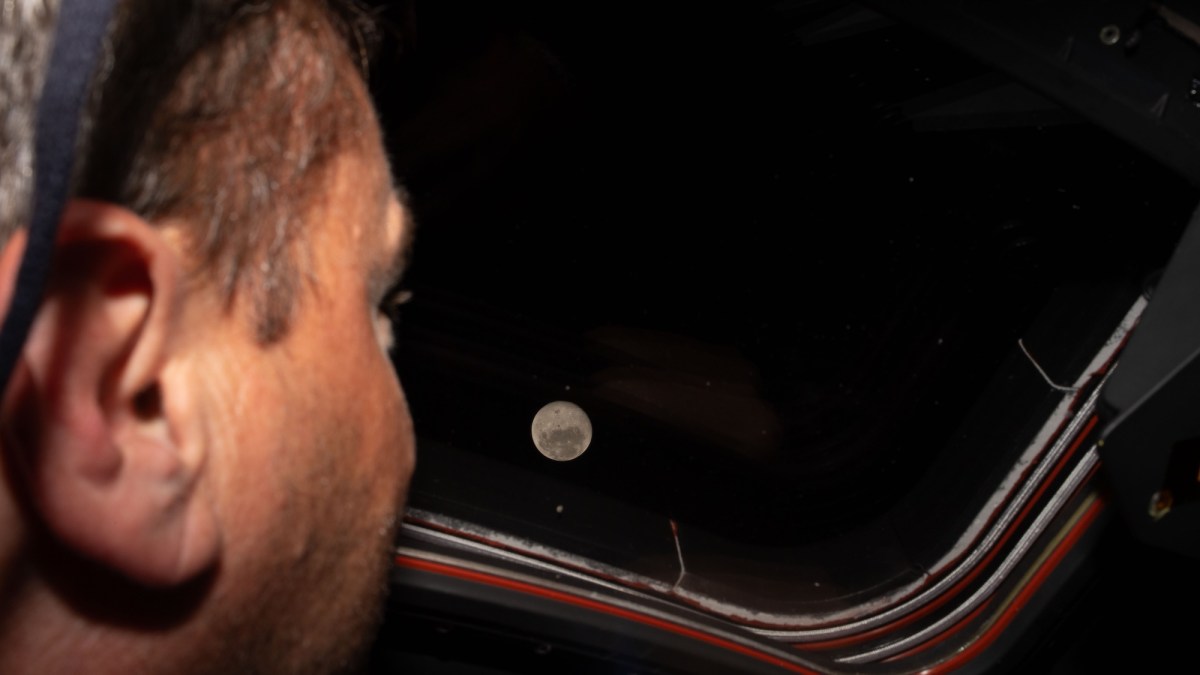
NASA shares Artemis II astronauts’ handwritten mission notes
Even astronauts need to jot down their thoughts. The post NASA shares Artemis II astronauts’ handwritten missi...
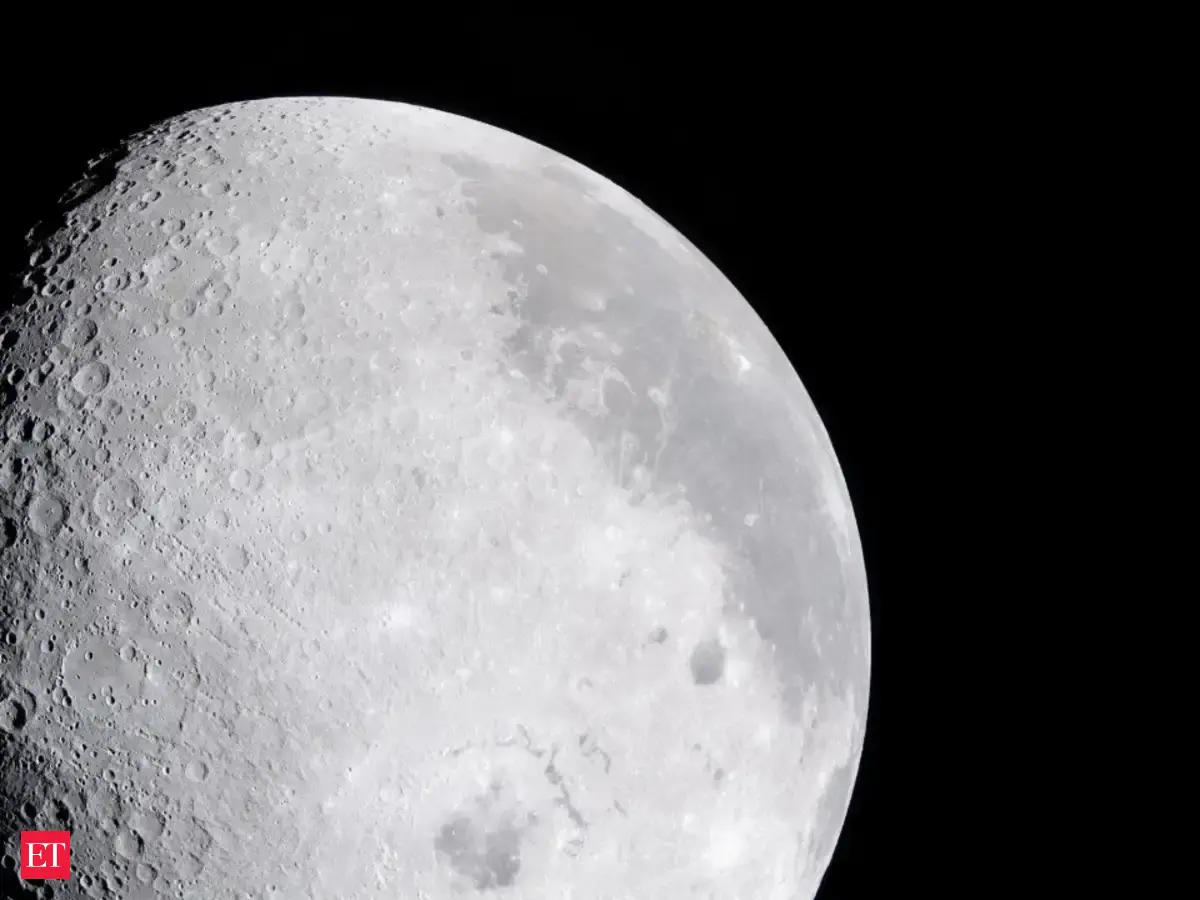
NASA releases 800GB of moon data: What did Artemis II astronauts see around the moon?
NASA has released more than 800GB of Artemis II Moon data, including 11,000-plus images and videos, 8.5 hours ...
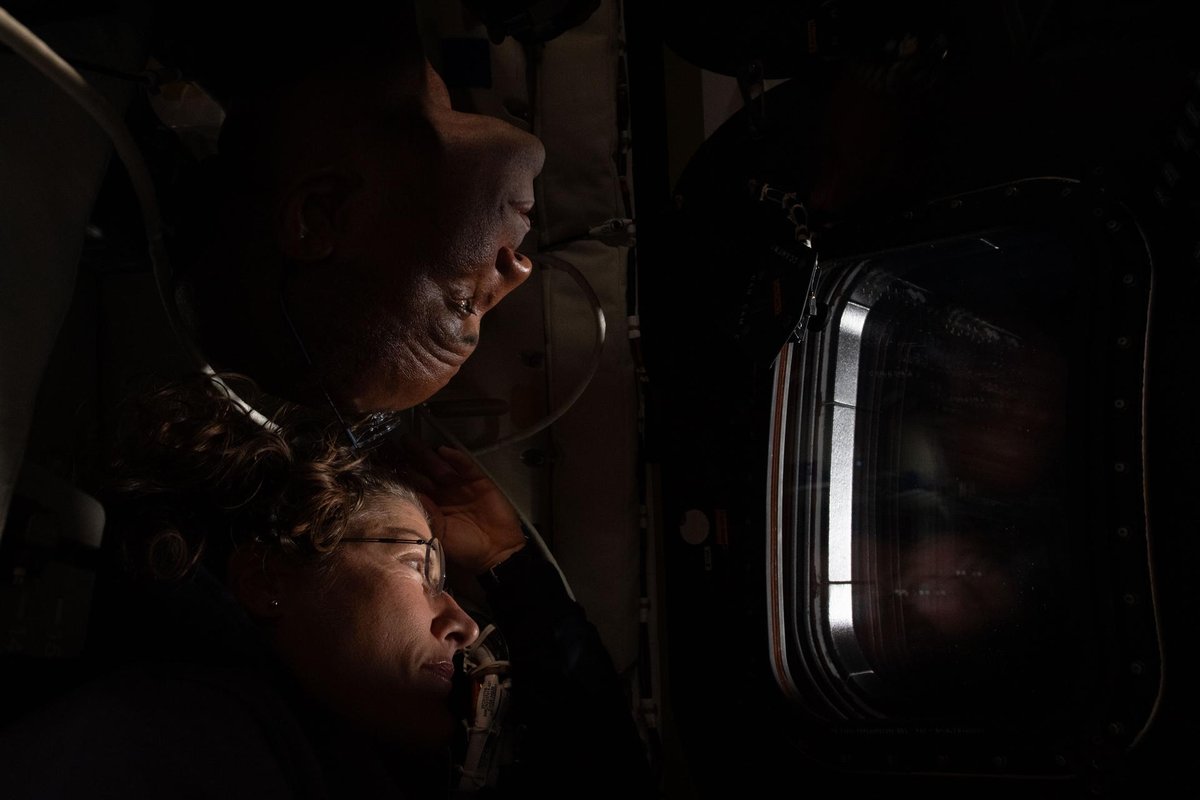
Artemis II images boost NASA’s moon base plans
The first crewed lunar mission in more than a half-century brought back more than 800 gigabytes of data on col...

Artemis Security Unveils Orion-1, a Frontier Foundation Model for Cyber Defense
On Decision-Grade Readiness, a new benchmark that measures whether an AI security decision can be trusted enou...