Filter by Category
Search News
All News
Submit ArticleNext-Gen Gravitational Wave Detectors Could Spot the First Black Holes
A few hundred million years after the Big Bang, the first stars ignited - literally the “let there be light” moment for the universe. Now known to ast...
Source: Universe Today
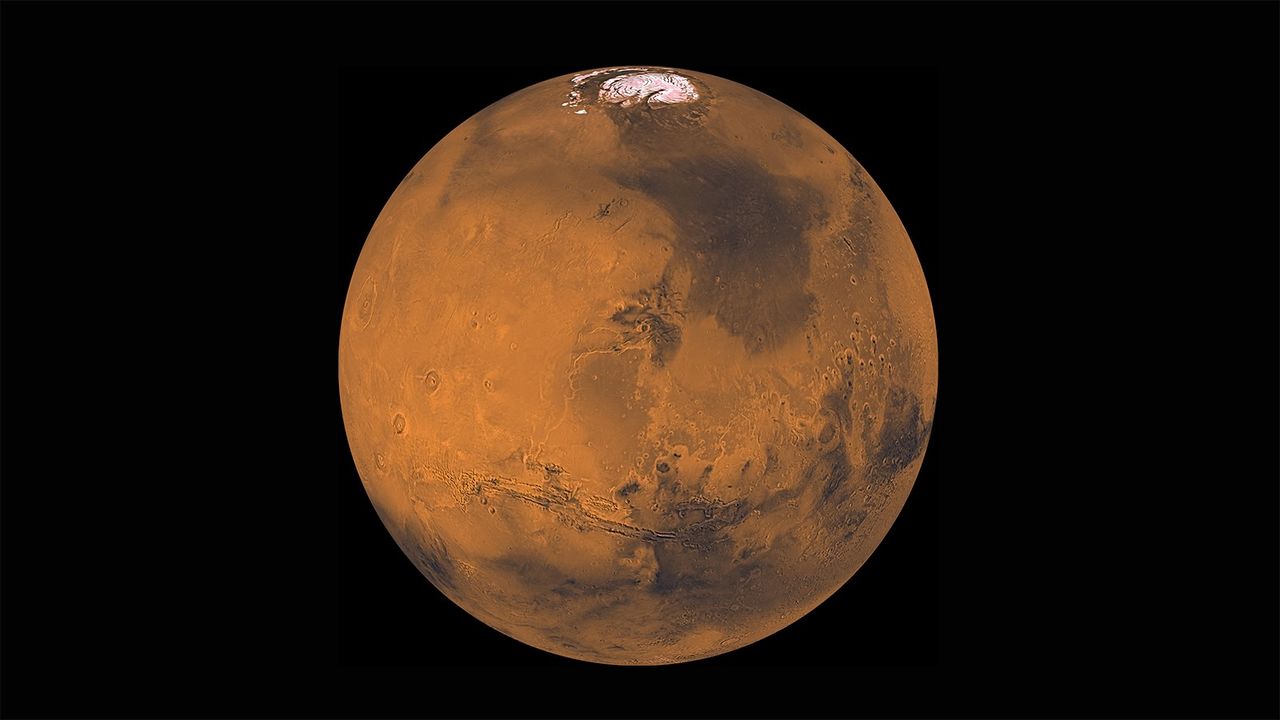
China on track to launch Mars sample-return mission in 2028: 'If accurate, this represents a Sputnik moment'
China is making progress on its Tianwen 3 Mars sample-return mission, which aims to launch in 2028 and return a collection of Red Planet dirt and rock...
Source: Space.com

Stoke Space raises another billion to rival SpaceX at re-flying rockets | TechCrunch
Stoke has "completed the initial closing" of a $1B Series E round intended to help it reach orbit and prepare a new, larger rocket for opera...
Source: TechCrunch
Mission Impossible: How Star Trek used the aerospace community to try and win an Emmy
Like many TV producers, Gene Roddenberry lobbied 60 years to win awards for his new series, Star Trek. Glen Swanson examines the unusual approach he t...
Source: The Space Review
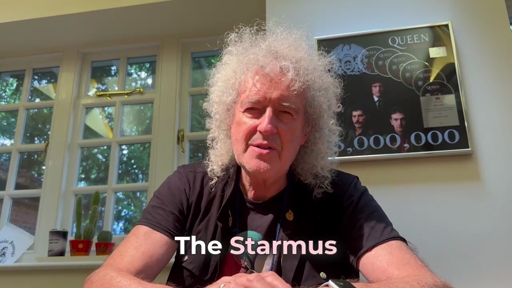
ARTEMIS II CREW LANDS AT STARMUS VIII - 15 YEARS AFTER ARMSTRONG, ALDRIN AND LEONOV LAUNCHED ITS LEGACY
Reid Wiseman, Victor Glover and Jeremy Hansen will join STARMUS VIII in Tenerife and La Palma, continuing a remarkable tradition that began with the p...
Source: PRNewswire
Curiosity Blog, Sols 4995-5001: 5,000 (Martian) Days on Mars
Written by William Farrand, Senior Research Scientist, Space Science Institute Earth planning date: Friday, Aug. 28, 2026 The span of sols spanned by ...
Source: NASA
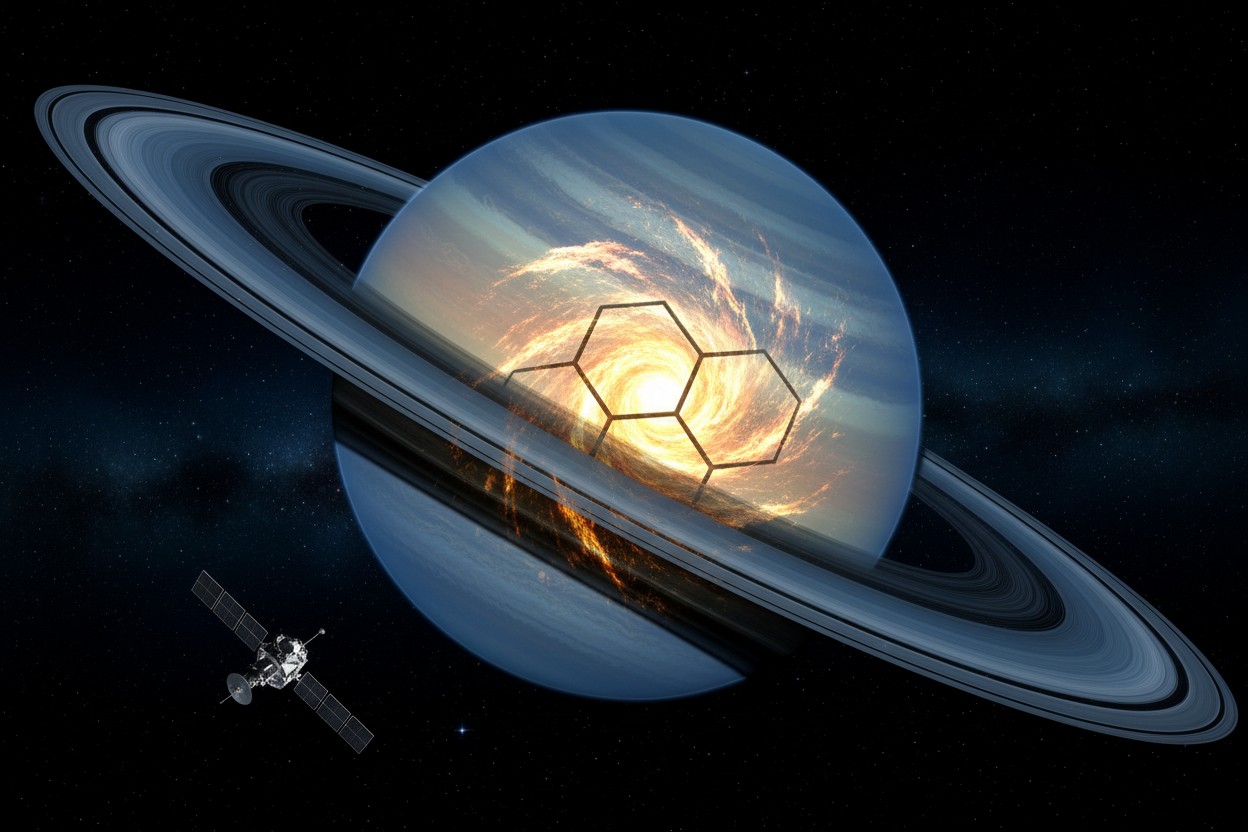
NASA Scientists Discover Giant 10-Sided Pattern on Saturn’s South Pole
NASA’s Hubble Space Telescope has detected a massive, evolving 10-sided atmospheric wave circling Saturn’s south pole, according to a study published ...
Source: Naturalnews.com

Tesla Plus SpaceX Could Become a ‘Must-Have’ Investment, Ross Gerber Says
Tesla Inc. and Space Exploration Technologies Corp. remain two of Elon Musk’s most closely watched businesses as investors weigh their different growt...
Source: Yahoo Entertainment
Hubble spots mysterious 10-sided pattern forming around Saturn’s south pole
The newly identified atmospheric wave appears to be strengthening, giving scientists a rare chance to watch an unusual feature develop on Saturn. NASA...
Source: Freerepublic.com
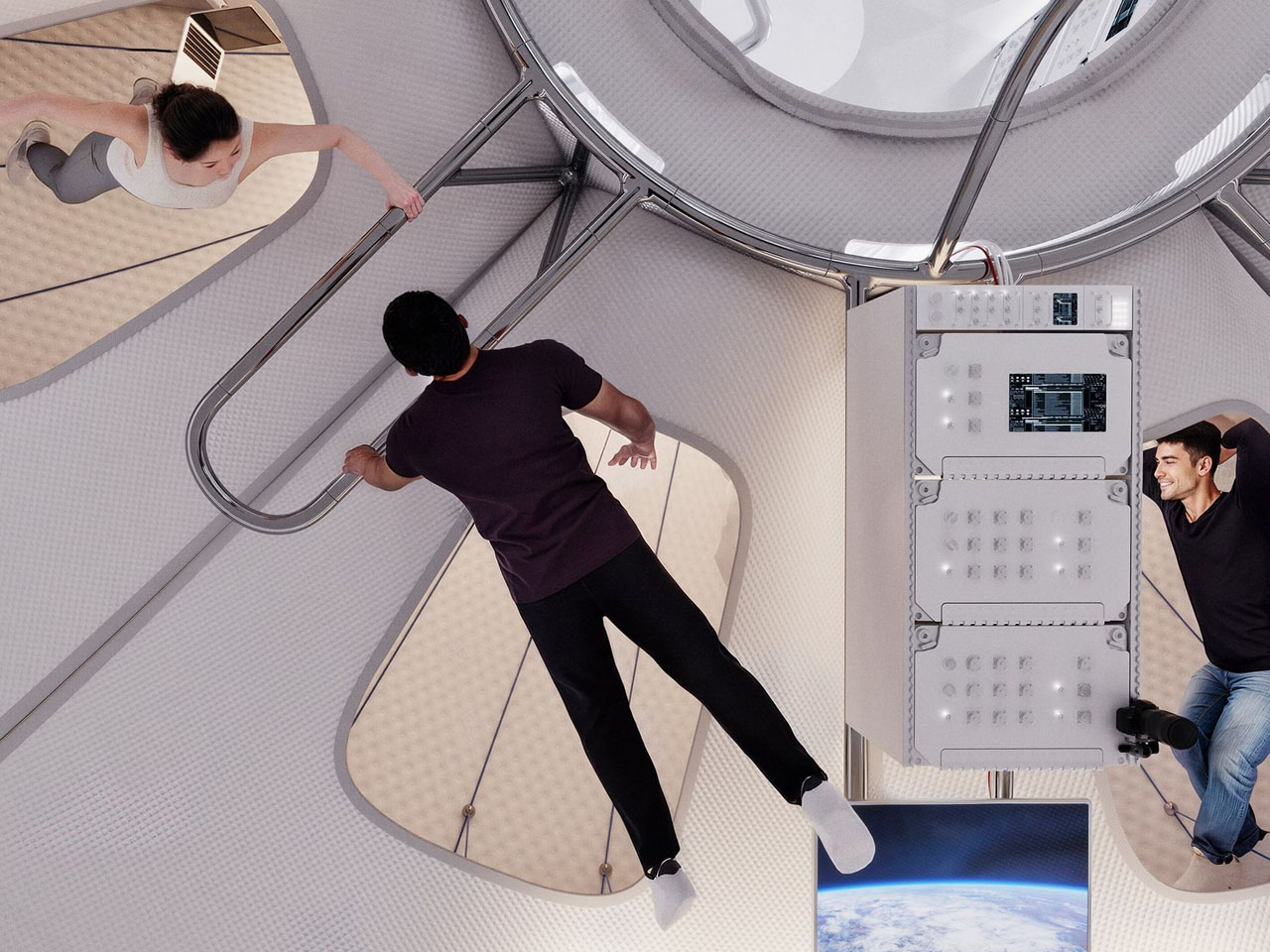
Max Space Thunderbird is an expandable space station module that could eventually replace ISS
Max Space Thunderbird is an expandable space station module that could eventually replace ISSSpace is the final frontier as NASA plans to go deeper in...
Source: Yanko Design
Japan's Hayabusa2 Achieves First-Ever Laser Ranging Experiment with an Asteroid
On Sunday July 5th, 2026, the Japan Aerospace Exploration Agency (JAXA) achieved the first-ever successful laser ranging experiment while making a fly...
Source: Universe Today
Angels eliminated from playoff contention: Three biggest offseason questions
The Angels will miss the MLB playoffs for the 12th straight year, but there's hope in Anaheim that the ship might turn around with Stan Kroenke.
Source: USA Today
Icy Exocomets Around a Distant Star Help Explain Earth's Water
Did icy comets deliver water to the young Earth? That idea won't go away. Now, astronomers at Lund University in Sweden have found evidence of ex...
Source: Universe Today
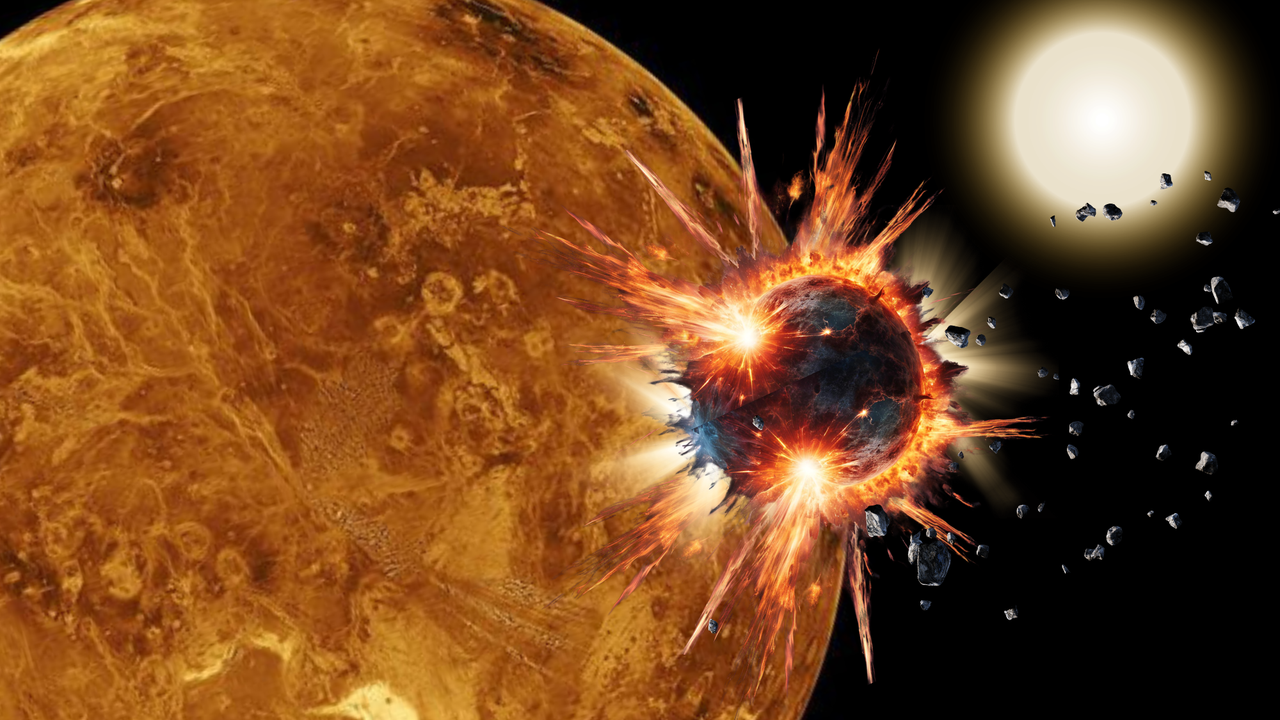
Did Venus eat its own moon?
Scientists may finally know why Venus, Earth's twin, lacks a moon, finding that the hottest planet in the solar system may have consumed its own ...
Source: Space.com
NASA Calls for Proposals to Accelerate Lunar Surface Technologies
NASA is seeking proposals to advance the technology and infrastructure needed to explore the Moon and establish a Moon Base in the lunar South Pole re...
Source: NASA
From the Corps to the Cosmos, featuring Jaden Caradine
Jaden Caradine knew he wanted to be an engineer at eight years old. He just took a winding road to get there. Before he enrolled at Embry-Riddle Aeron...
Source: NASA
How to Land a Rocket Launch ‘Space Jellyfish’
What used to be a rare sight gracing the twilight sky is now becoming strangely commonplace. If you live on either U.S. coast, you have to good chance...
Source: Universe Today
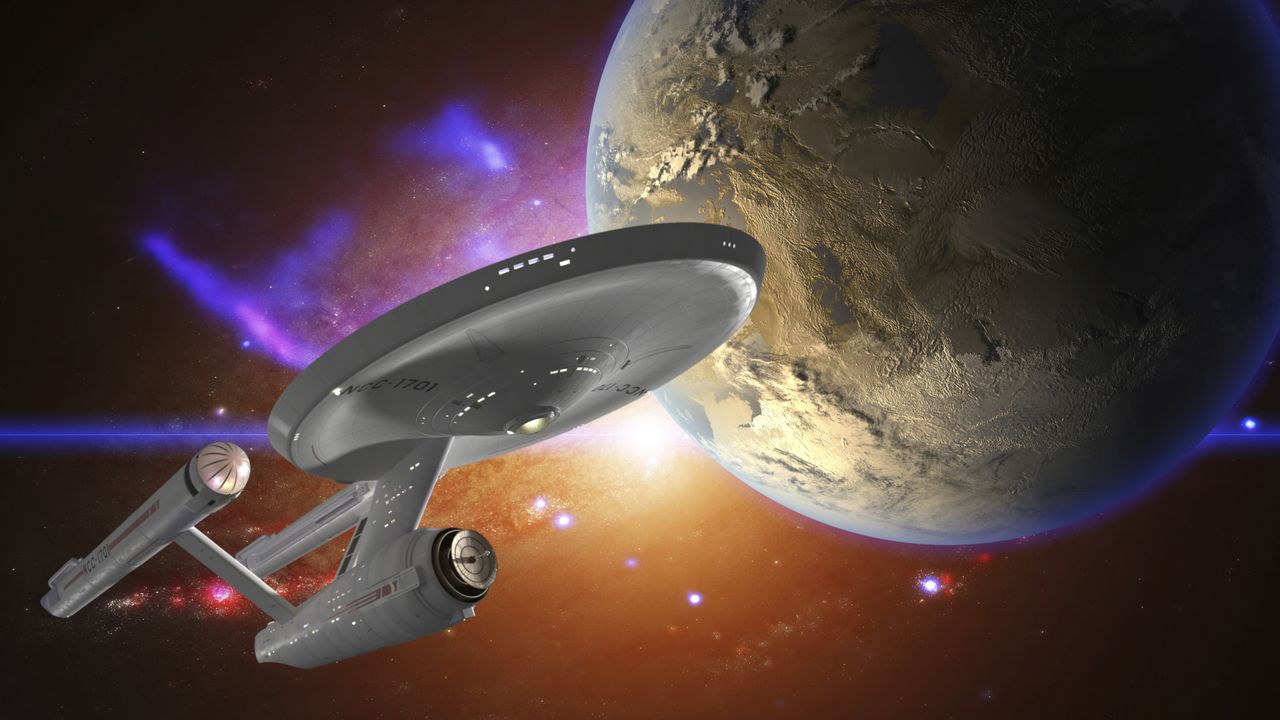
'Star Trek' imagined strange new worlds 60 years ago, but are real exoplanets even stranger?
"To explore strange new worlds; to seek out new life and new civilizations; to boldly go where no one has gone before!"
Source: Space.com
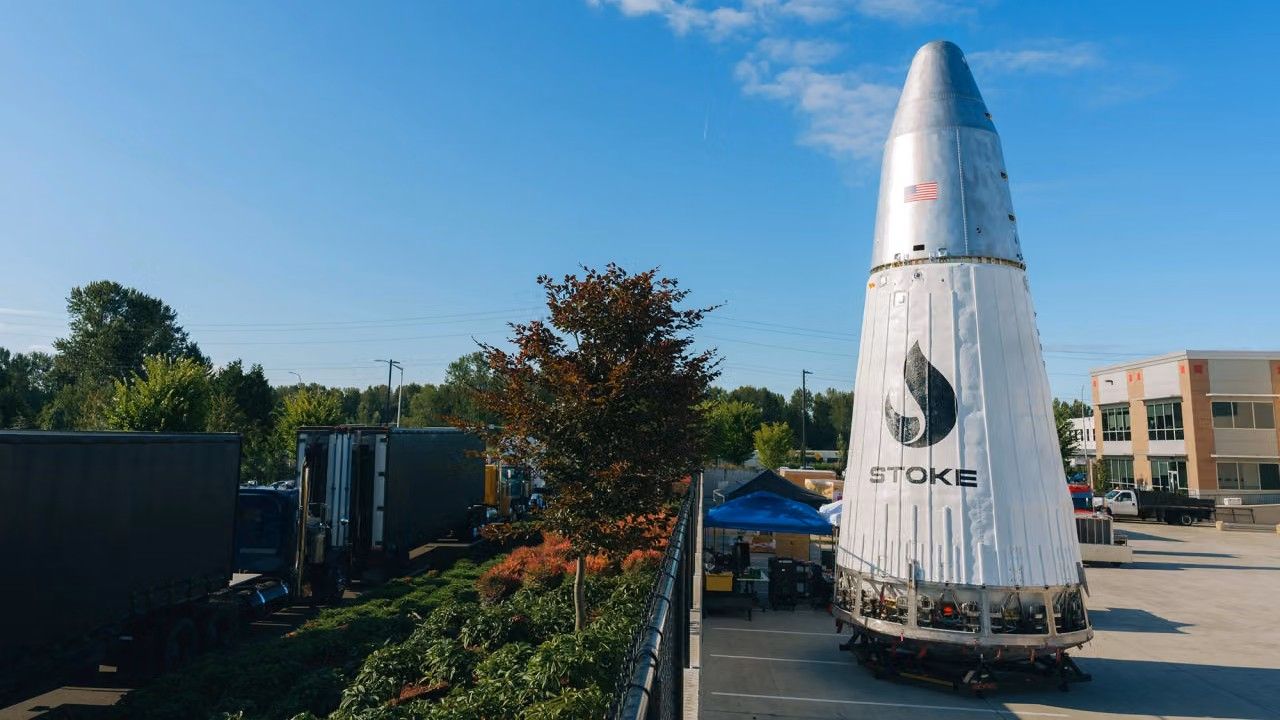
Stoke Space raises $1 billion for fully reusable rockets, targets 'early 2027' for 1st-ever launch
Stoke Space announced a $1 billion round of funding to support development of its fully reusable Nova rockets, including the newly revealed Nova Block...
Source: Space.com
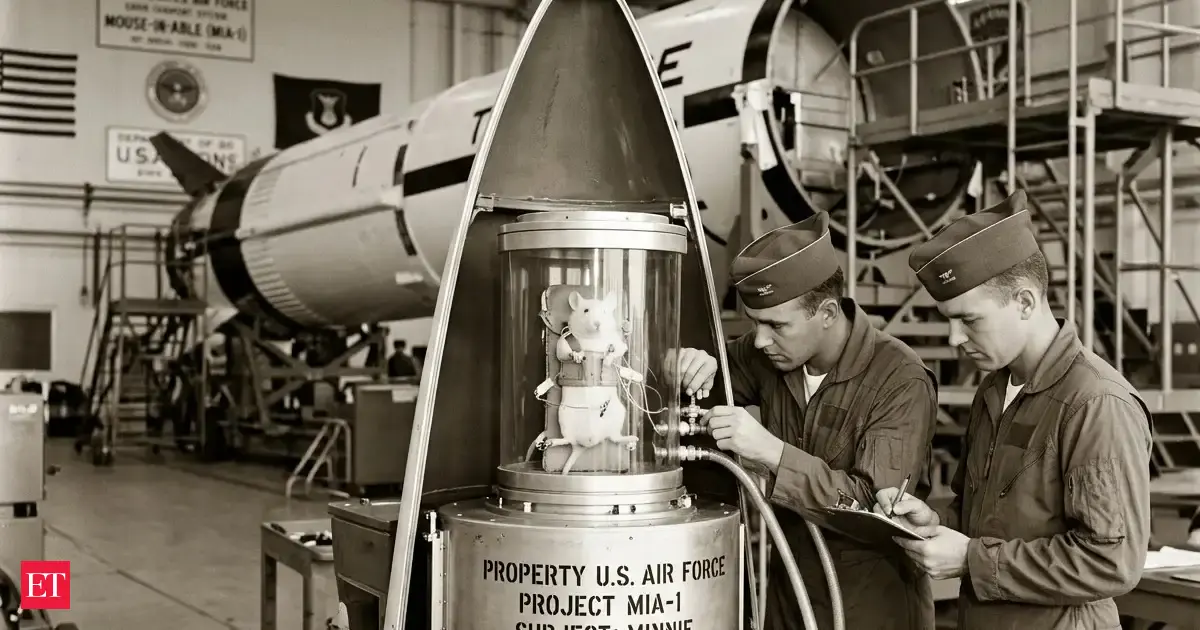
In 1958, a mouse nicknamed Minnie Mouse was sent to space by the United States Air Force under the first Mouse-in-Able (MIA-1) mission aboard a two-stage Thor-Able rocket but the animal didn't survive the flight
In 1958, a mouse nicknamed Minnie Mouse was sent to space by the United States Air Force under the first Mouse-in-Able (MIA-1) mission aboard a two-st...
Source: The Times of India