Filter by Category
Search News
All News
Submit Article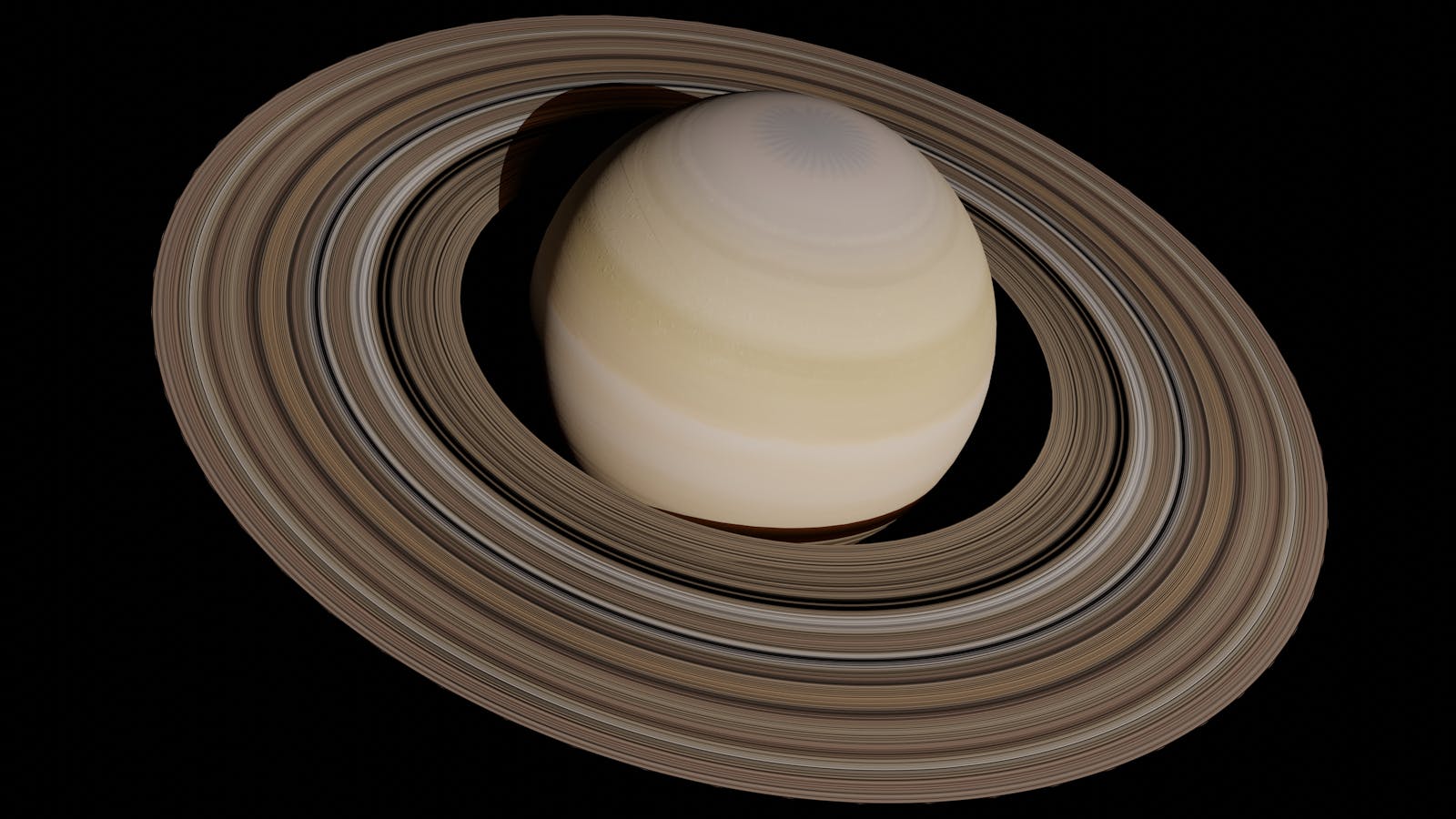
The Cassini spacecraft was deliberately flown into Saturn in 2017 because its fuel was running low and engineers refused to risk it drifting into Enceladus, a moon with a subsurface ocean, and the final 22 orbits were designed to thread a 1,500-mile gap b
On September 15, 2017, NASA deliberately destroyed the Cassini spacecraft by flying it into Saturn at 76,000 mph. Engineers chose a fiery end to preve...
Source: Space Daily
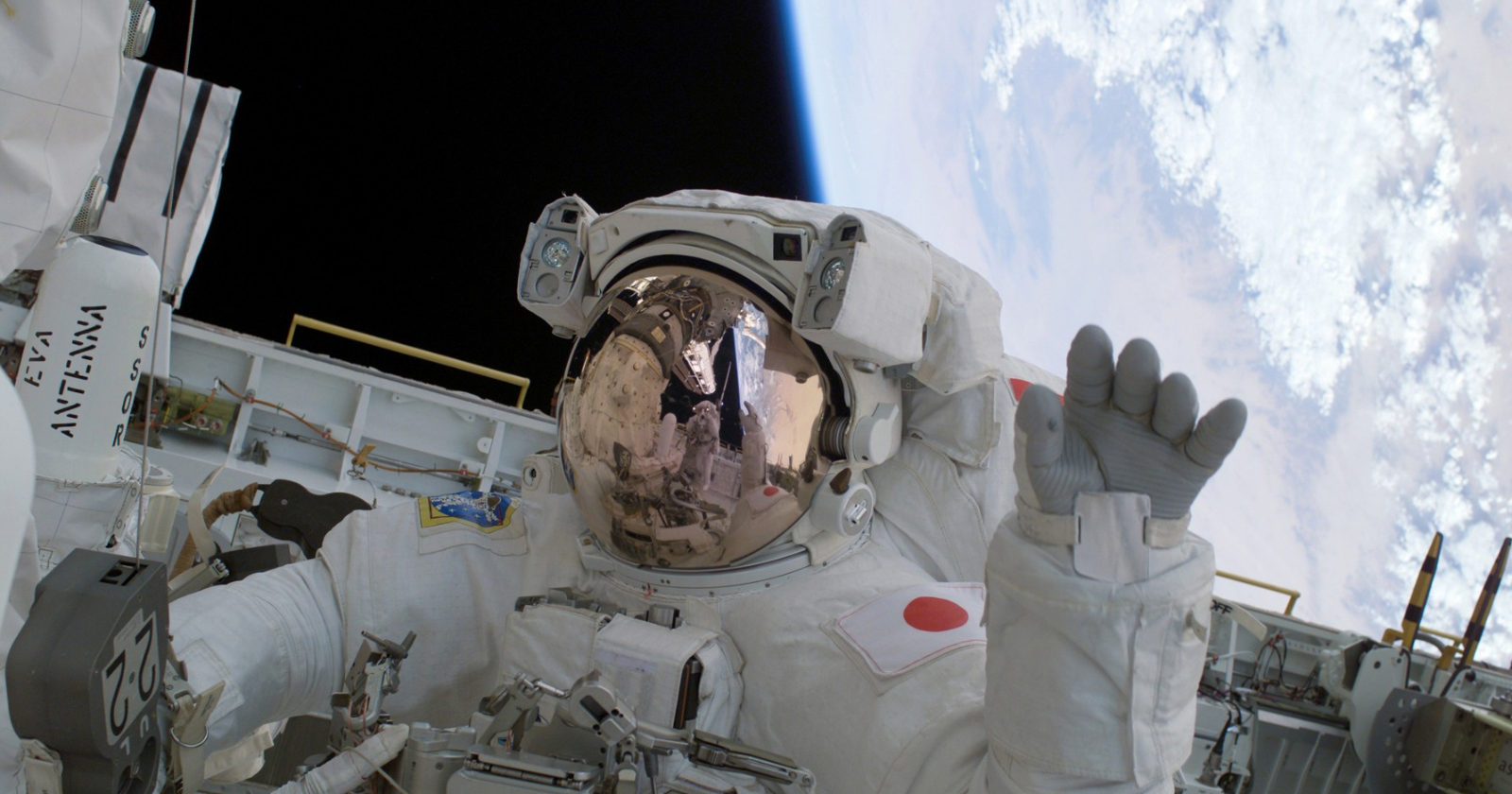
What astronauts actually eat for six months in space — and why almost none of it would survive a single meal in your kitchen without engineering, weight calculations, and a tortilla
The standard cultural image of astronaut food has not, on the available evidence, updated meaningfully since the 1980s. The image is of the silver pou...
Source: Space Daily

The James Webb Space Telescope is parked a million miles from Earth at a gravitational sweet spot called L2, and the only way to refuel or service it is to send another spacecraft on a one-way mission that hasn’t been designed yet, which means every photo
The James Webb Space Telescope is, as of this writing in 2026, orbiting a point in space called L2, somewhere around a million miles from Earth. The o...
Source: Space Daily
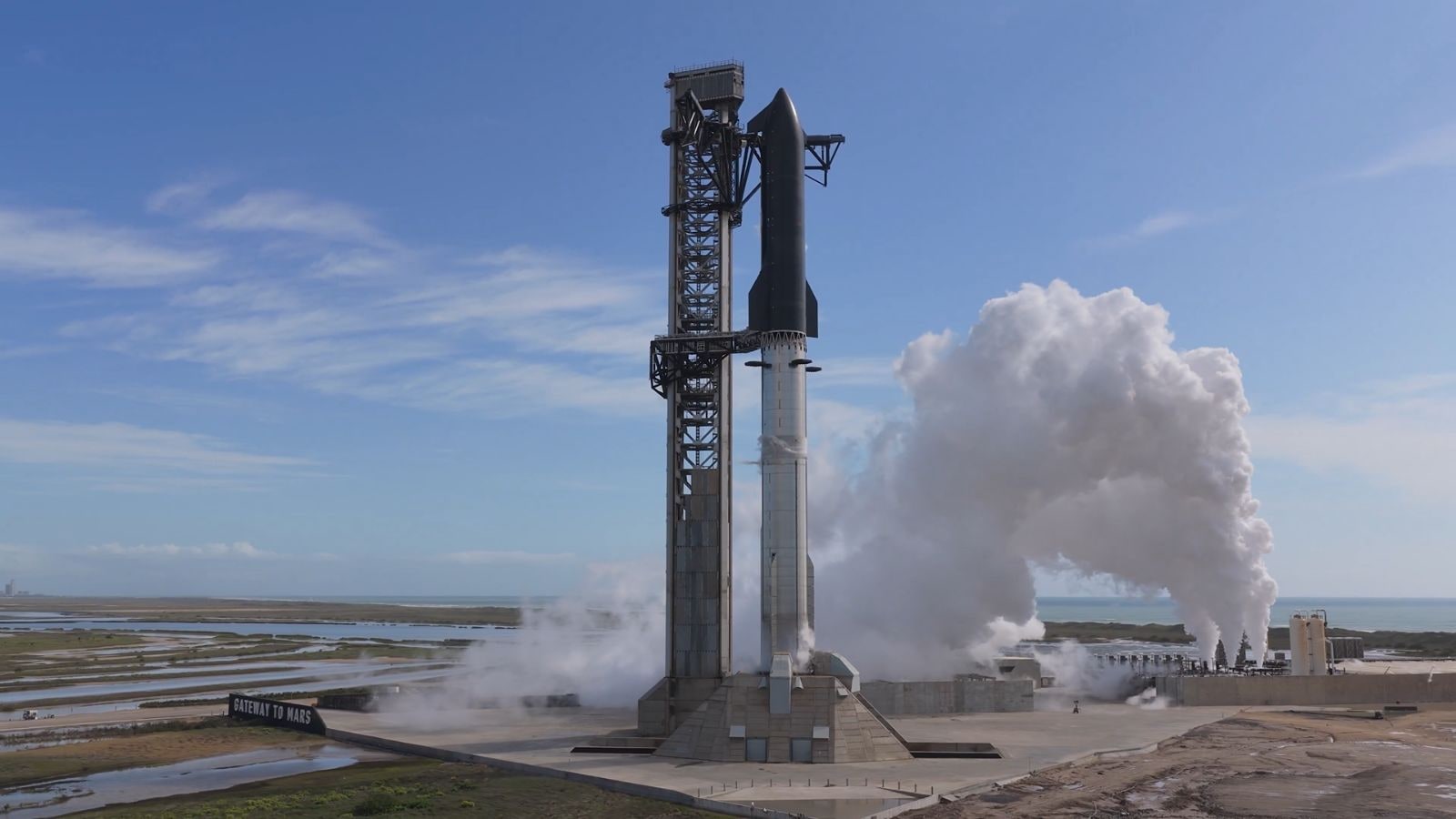
SpaceX set to launch Starship test flight on May 20: Here’s all you need to know
Elon Musk-owned SpaceX is scheduled to launch the gargantuan rocket on May 20, marking its first major test flight since late 2025 as the company cont...
Source: The Indian Express
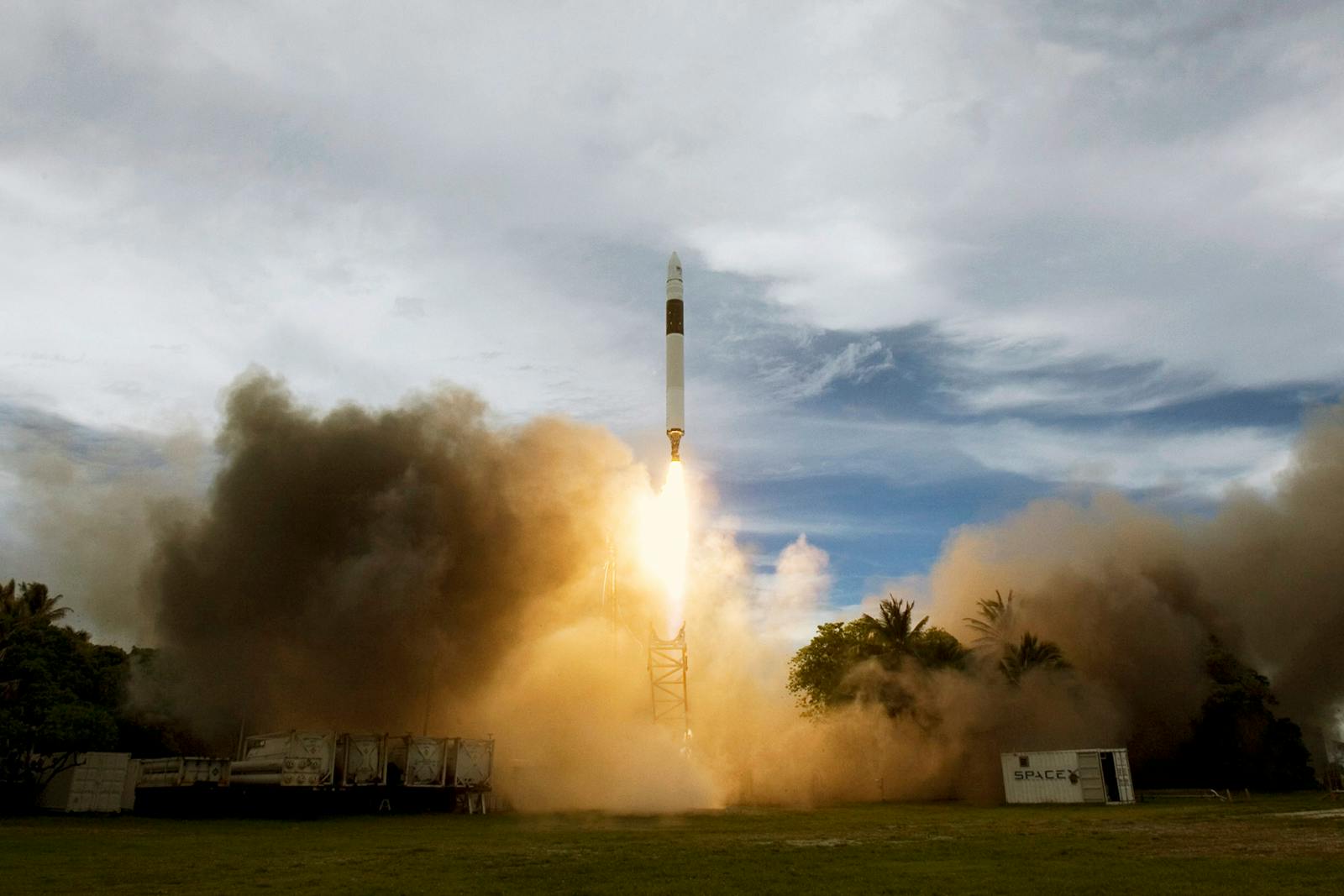
SpaceX has launched more rockets in the past four years than the Soviet Union launched during the entire Space Race, and the cost per kilogram to low Earth orbit has dropped about 95% since 2010 — which has quietly rewritten the economics of every space p
In 2024, a single American company launched 134 orbital rockets. In 2025, that company is on track to launch around 170. The company is SpaceX. The tw...
Source: Space Daily
Space Mining Market Size to Hit USD 16.09 Billion by 2035 | Research by SNS Insider
Global Space Mining Market Size, Share, Trends & Segmentation, By Phase, By Asteroid Type, By Commodity Resource, By Region, And Forecast 2026-203...
Source: GlobeNewswire
Anderson confirmed as NASA deputy administrator
WASHINGTON — The U.S. Senate confirmed Matt Anderson on May 18 as NASA’s deputy administrator, the second-in-command of the space agency.
Source: SpaceNews
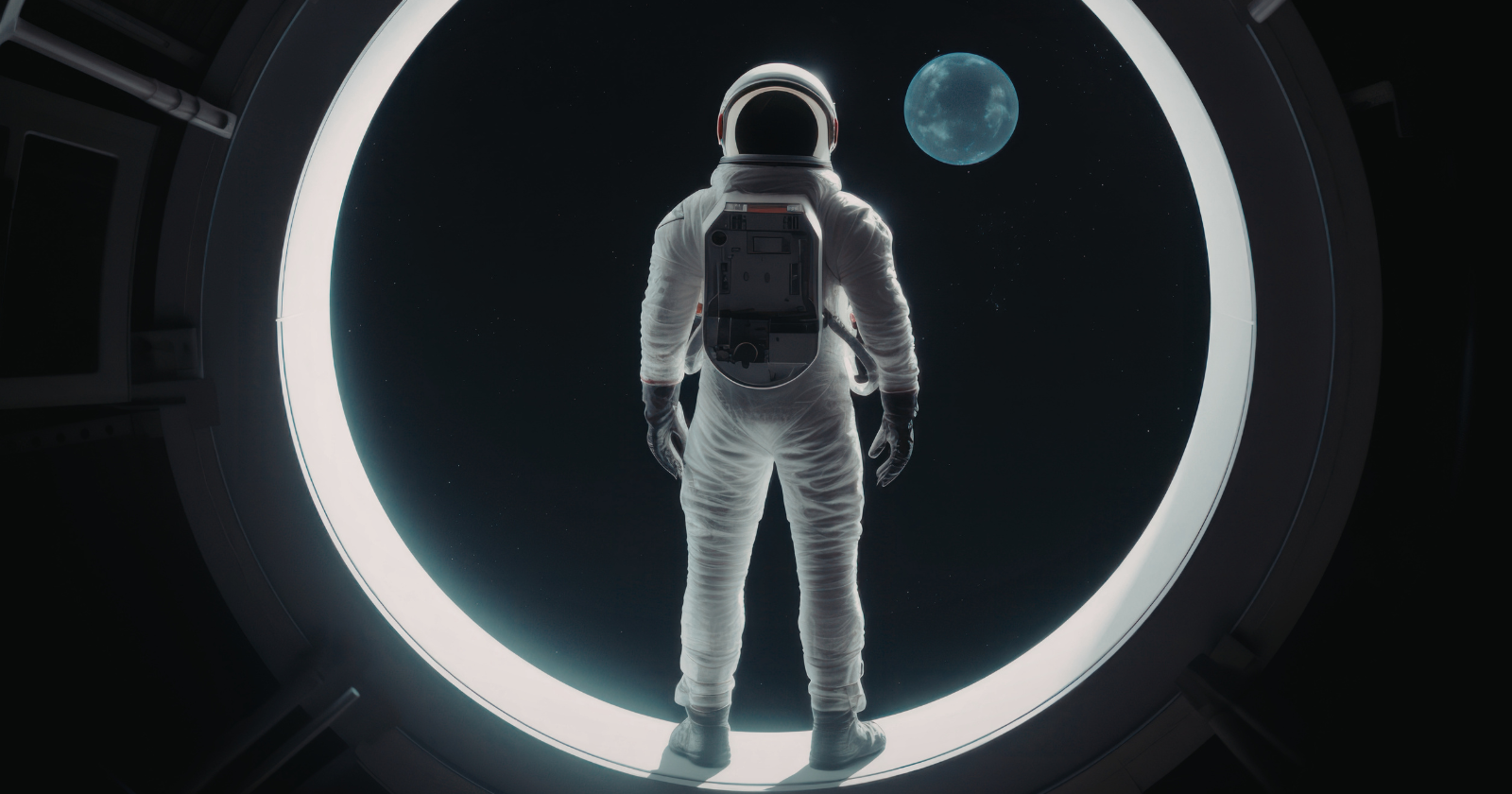
The four astronauts who flew farther from Earth than any humans in history have just come back. The advice they’re giving the rest of us has almost nothing to do with space.
On 10 April 2026, four astronauts splashed down in the Pacific Ocean off the coast of San Diego, completing a nearly ten-day flight that had taken the...
Source: Space Daily
Giant radio telescope sees Artemis 2 astronauts on Orion flying around the moon. 'There are 4 people in those pixels.' - Space
Giant radio telescope sees Artemis 2 astronauts on Orion flying around the moon. 'There are 4 people in those pixels.'Space See more headlin...
Source: Slashdot.org
TESS Data Reveals 27 New Planet Candidates in Binary Systems
You’re doing some late afternoon work on the habitat as part of humanity’s first exoplanet settlement, but the sun is going down so you’re trying to s...
Source: Universe Today
ESA-China SMILE mission lifts off to deliver first global images of Earth’s magnetosphere
KOUROU, French Guiana — The SMILE mission developed jointly by the European Space Agency and China has reached orbit after more than a decade of prepa...
Source: SpaceNews
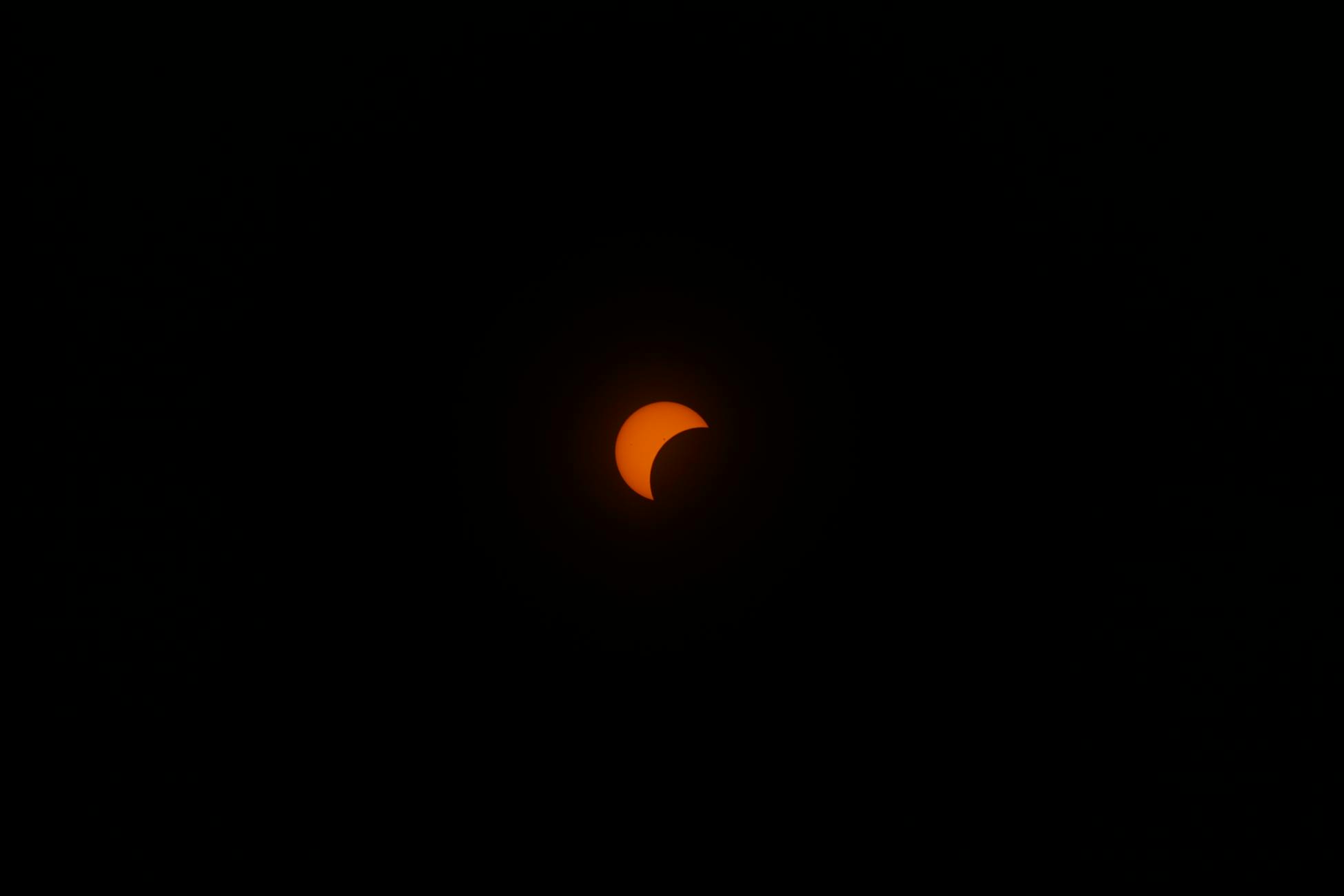
The moon is moving away from Earth at 3.8 centimetres per year — which means the total solar eclipses humans alive today get to see are something no future civilisation will ever witness
The Earth-Moon geometry that produces total solar eclipses is a temporary coincidence in deep time, and the spiral measurement that confirms it comes ...
Source: Space Daily
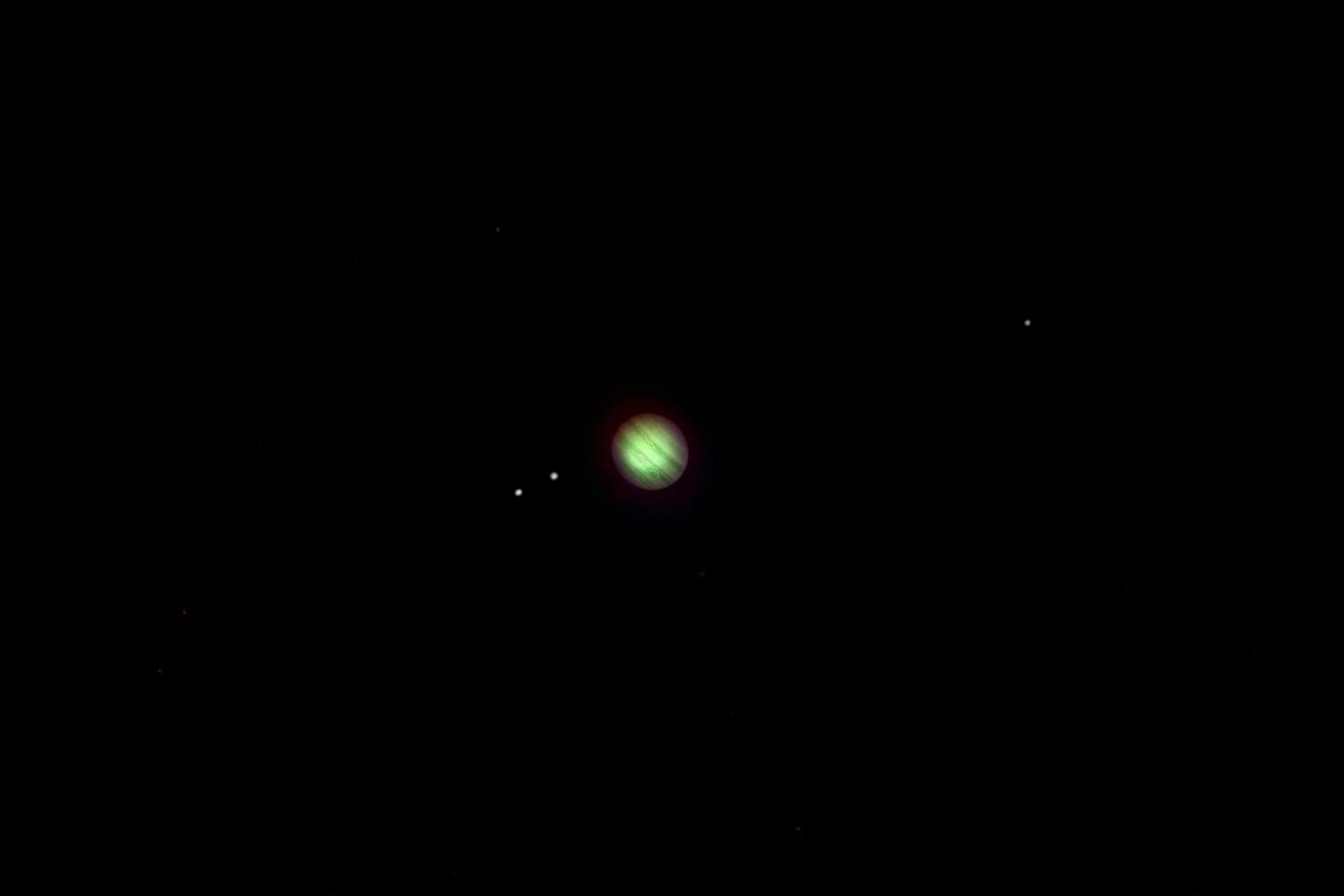
There is no sound in space, but NASA records the electromagnetic vibrations of planets and converts them to audio, and Saturn sounds genuinely haunting
Space is a vacuum, but NASA's spacecraft carry instruments that translate the electromagnetic environment of planets into audible signals — and t...
Source: Space Daily
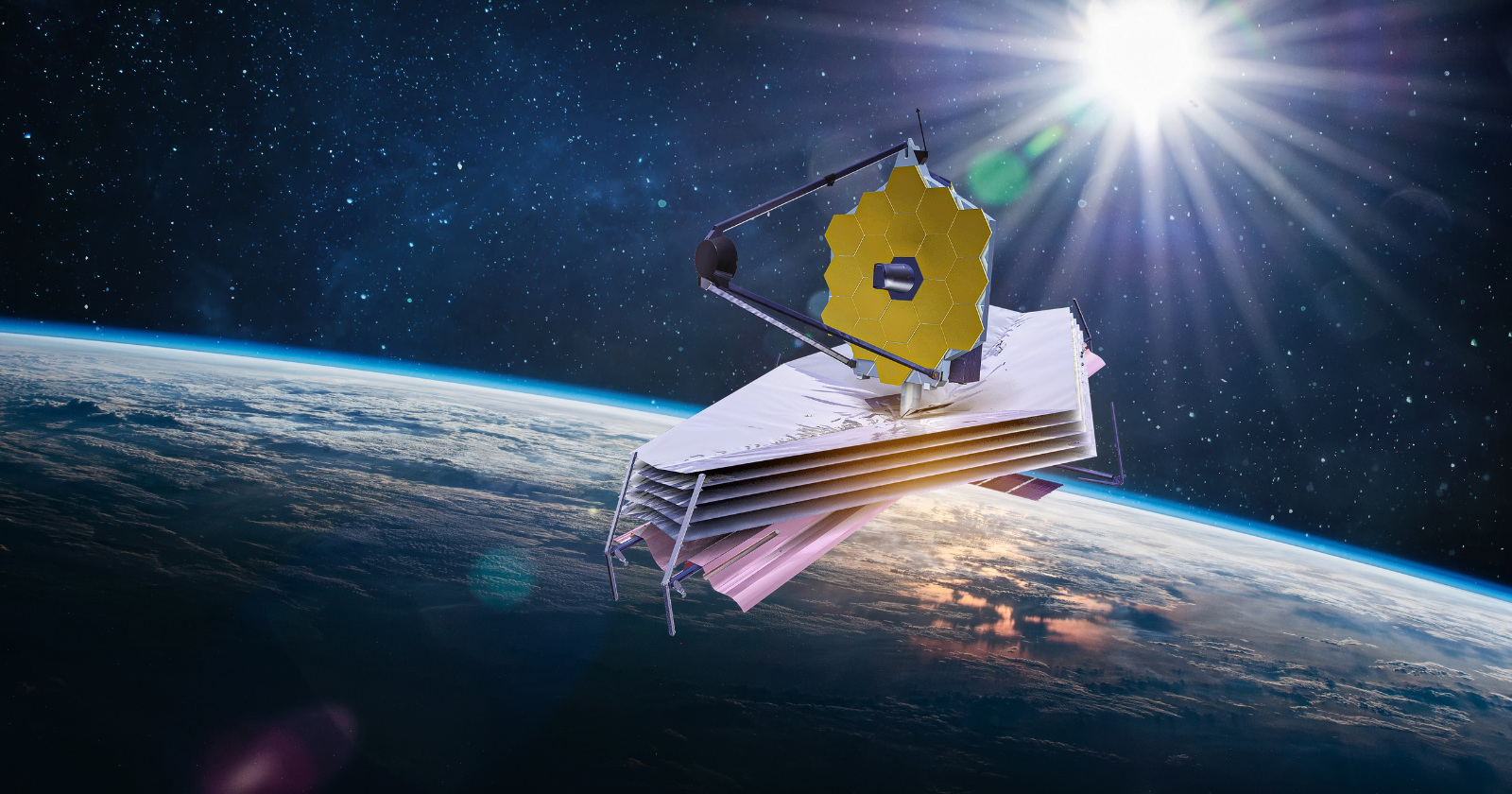
The James Webb Space Telescope is parked a million miles from Earth and runs on less power than a household kettle — and its deployment sequence had 344 single points of failure, any one of which could have ended the mission
The James Webb Space Telescope operates from a halo orbit around the Sun-Earth L2 point, roughly 1.5 million kilometres from Earth, and runs on about ...
Source: Space Daily
Astronomers Find New Circumbinary "Tatooine-like" Planet Candidates
There's a distinct category of exoworlds out there that orbit two stars. They're called "circumbinary" planets and up until recent...
Source: Universe Today
Curiosity Blog, Sols 4893-4899: Drilling at Campo Marte and a Visit From the Psyche Spacecraft
Written by Lucy Lim, Planetary Scientist at NASA Goddard Space Flight Center Earth planning date: Friday, May 15, 2026 After freeing the rover’s arm f...
Source: NASA

New “superfuel” promises 32% boost in aircraft and rocket range
CycloKinetics, a US propellant company, has unveiled a new family of superfuels for aircraft, missiles, and rockets that increase fuel performance by ...
Source: New Atlas
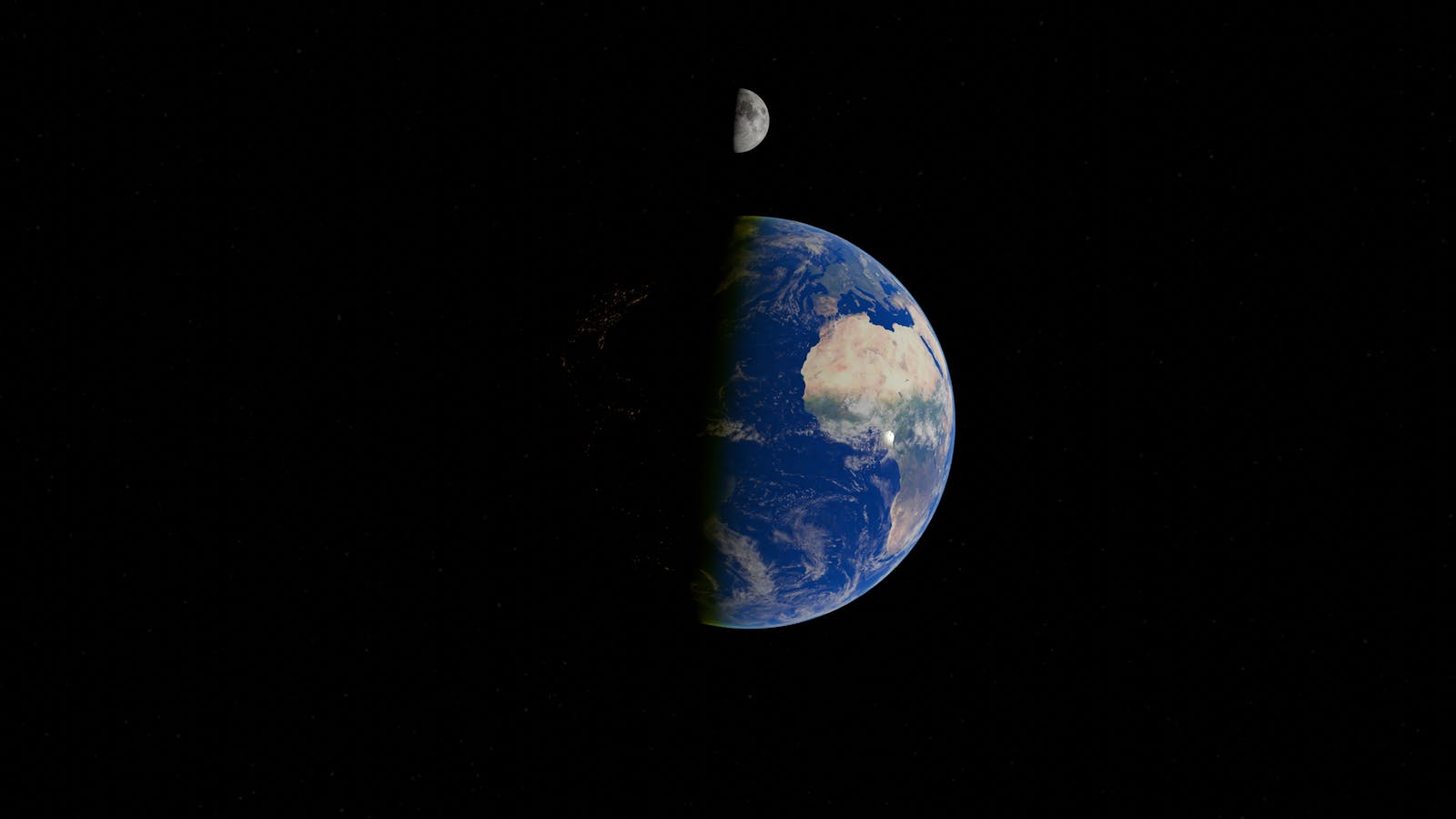
The Apollo astronauts left behind retroreflectors on the lunar surface that scientists still bounce lasers off today, and the round-trip time has been measured precisely enough to prove the Moon is drifting away from Earth at 3.8 centimeters per year, abo
Apollo astronauts left passive mirror arrays on the Moon in 1969, 1971 and 1971. Lasers fired at those reflectors from Earth now measure the lunar dis...
Source: Space Daily
Vega C set to launch SMILE to study Earth’s magnetosphere
The European Space Agency’s (ESA) latest science mission, Solar Wind Magnetosphere Ionosphere Link Explorer (SMILE),… The post Vega C set to...
Source: NASASpaceFlight
Iron and Ice: Earth's Passage Through the Interstellar Cloud
Our Solar System is currently passing through the Local Interstellar Cloud, a region of highly diluted gas and dust between the stars. On its path, Ea...
Source: Universe Today